
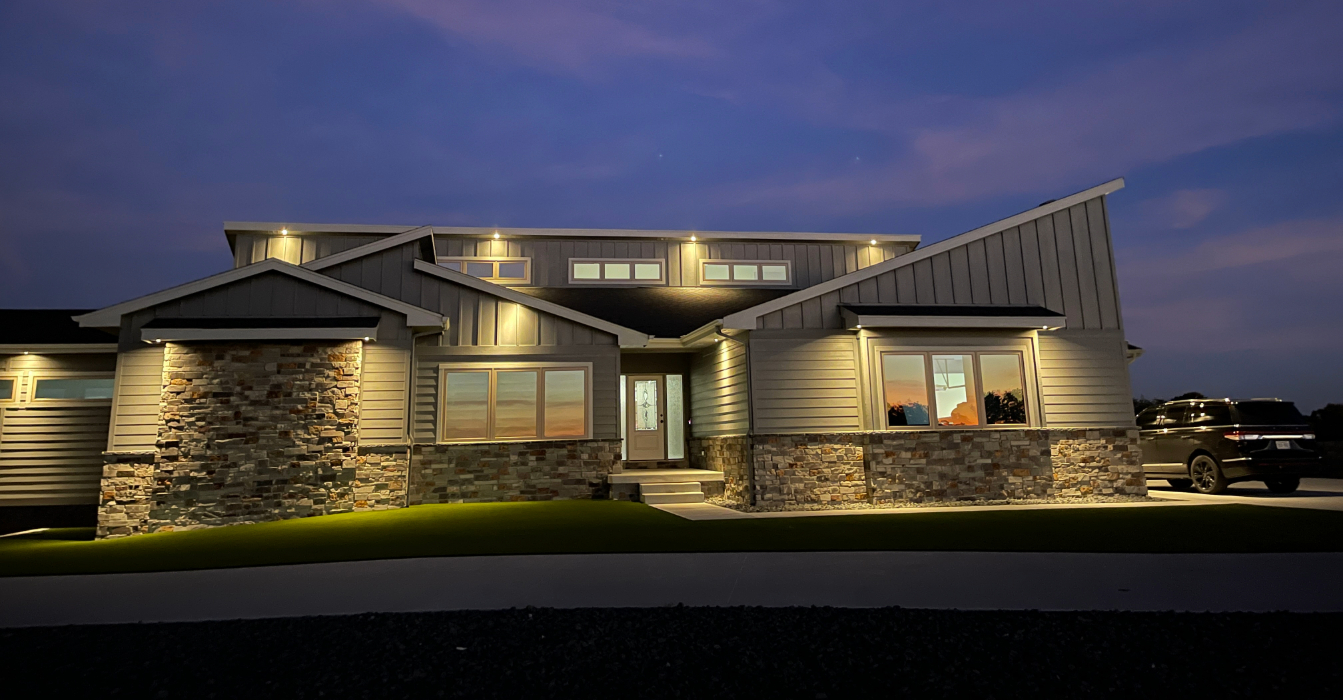
When it comes to landscape lighting, there’s beauty in simplicity. Outdoor down lights are designed to shine light from above, casting gentle illumination where you need it most, without overwhelming your space. They’re one of the most effective ways to create a natural nighttime look while improving safety, visibility, and outdoor enjoyment.
What Are Outdoor Down Lights?
Outdoor down lights are light fixtures that direct light downward, often from great heights like trees, walls, pergolas, or posts. They’re the opposite of uplights, which shine light upward to accent structures or trees. Because they mimic the look of natural light sources like the moon, down lighting tends to feel more comfortable and relaxing than harsher options like floodlights. These fixtures come in many forms. Some are compact and built to hide within structures, while others are decorative enough to be part of the visual design. No matter the style, their goal is the same: to brighten specific areas without lighting up the entire yard.
Where Down Lights Work Best
One of the best uses for outdoor down lights is along walkways and driveways. Mounted on posts or nearby walls, they can safely illuminate footpaths and vehicle zones without creating glare. For patios and decks, down lighting provides just enough light for conversation and activities without overpowering the space. Down lighting is also excellent for showcasing focal points. When placed in tree branches, these lights can cast a wide pool of light over gardens, boulders, or sitting areas. This is sometimes called “moonlighting,” and it’s a popular technique because it looks dramatic, natural and a bit romantic.
Tips for Effective Lighting Placement
- Mounting height affects light spread. Fixtures placed higher, such as 10 to 15 feet up in trees, produce broader and softer pools of light, great for illuminating patios, lawns, and pathways.
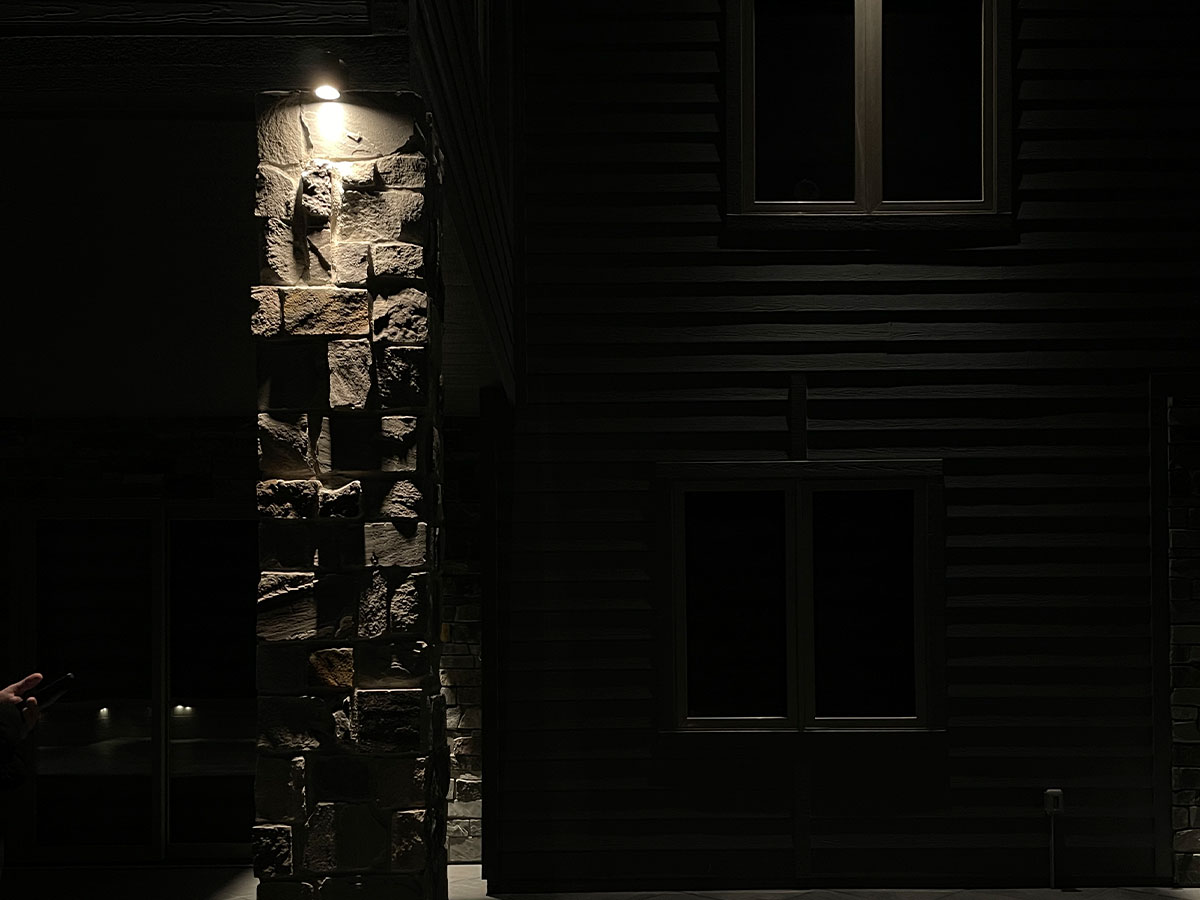
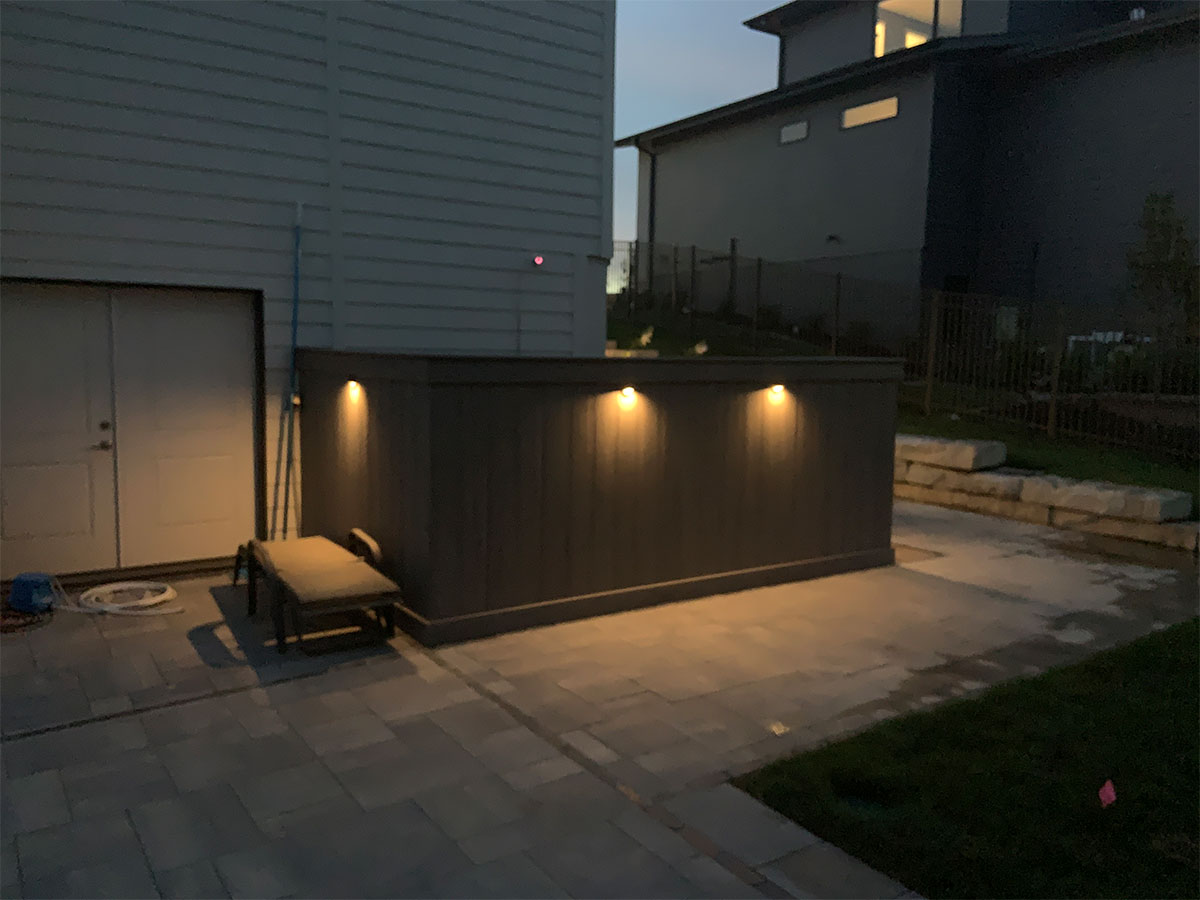
- Lower mounting creates focused light. Installing downlights under benches or along low walls results in tighter, more concentrated lighting for task or accent purposes.
- Spacing influences the overall look. Placing too many lights too close together can create glare or make the space feel overwhelming. Strategic spacing helps achieve a natural, balanced glow.
- Professional guidance ensures proper layout. A lighting designer can recommend fixture placement that highlights key features while avoiding hotspots or dark patches.
- Safe wiring is essential. Since outdoor downlights are often mounted above eye level, safe cable routing and secure mounting are critical. Hiring a qualified installer ensures the system is weatherproof and reliable.
Choosing the Right Fixture Styles and Project
Outdoor down lights come in many finishes and shapes to suit different architectural and landscape styles. Bronze and black finishes tend to blend in best, while matte options reduce glare and reflection. Most modern down lights use LED technology, which is energy-efficient and long-lasting. For tree-mounted down lights, look for models with tree-friendly mounts and weather-sealed housings. These are designed to protect the tree while also handling rain, wind, and temperature swings.
If you’re ready to make your landscape safer, more inviting, and better looking after sunset, it’s time to consider outdoor downlights. They’re a true example of how strategic illumination can transform the very feel of your outdoor space, turning it into something more magical and secure. Luckily, at Midwest Lightscaping we specialize in designing all types of smart, effective lighting systems customized to your yard’s layout and personal style. For more insights into how a well-thought-out lighting plan can completely redefine your property, you might also find our blog on How Lighting Design Can Transform Your Space especially insightful.
FAQs
Are downlights good for front yards?
Yes, they’re great for front yards. When placed above entryways, porches, or sidewalks, they provide a clean, welcoming glow that improves safety and curb appeal.
Do downlights work well with other lighting styles?
Absolutely. Downlighting pairs well with uplighting, path lights, and hardscape lighting to create a layered, balanced look across the property.
How do you mount downlights in trees without harming them?
Tree-mounted fixtures should be installed using adjustable brackets that allow for tree growth. Professional installers use special non-invasive methods to avoid damage.
Will these lights attract bugs at night?
Not as much as other lights. LED down lights with warmer color temperatures tend to attract fewer insects compared to bright white or blue-toned lights.
Can I control downlights with a smart system?
Yes. Many systems today include smart controls that allow you to adjust brightness, set timers, or control zones through a mobile app.
How long do downlight fixtures typically last?
High-quality LED fixtures can last up to 15 years or more, especially when properly installed and maintained. They also require less power and fewer replacements.