
Understanding Your Needs and Vision
Before diving into the specifics of residential lighting design, it’s crucial to understand your own needs and vision for your home. Consider how you use each space, the feeling you want to evoke, and any specific features you want to highlight. Do you envision a warm and inviting living room, a bright and functional kitchen, or a relaxing outdoor patio? Think about the activities you’ll be doing in each space and how lighting can support those activities. Browse magazines, websites, and social media platforms for inspiration, and create a mood board with images that resonate with your desired aesthetic. This initial step of self-discovery will lay the foundation for a successful lighting design project.
Layering Light for Depth and Dimension
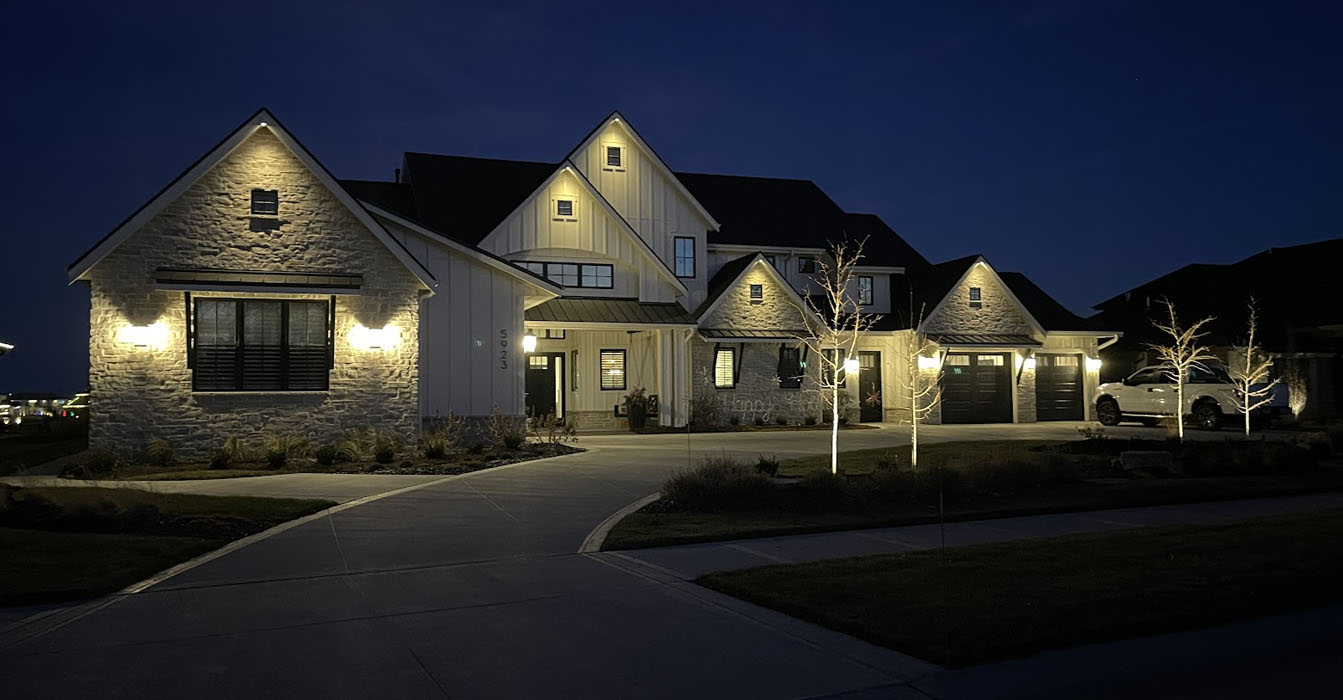
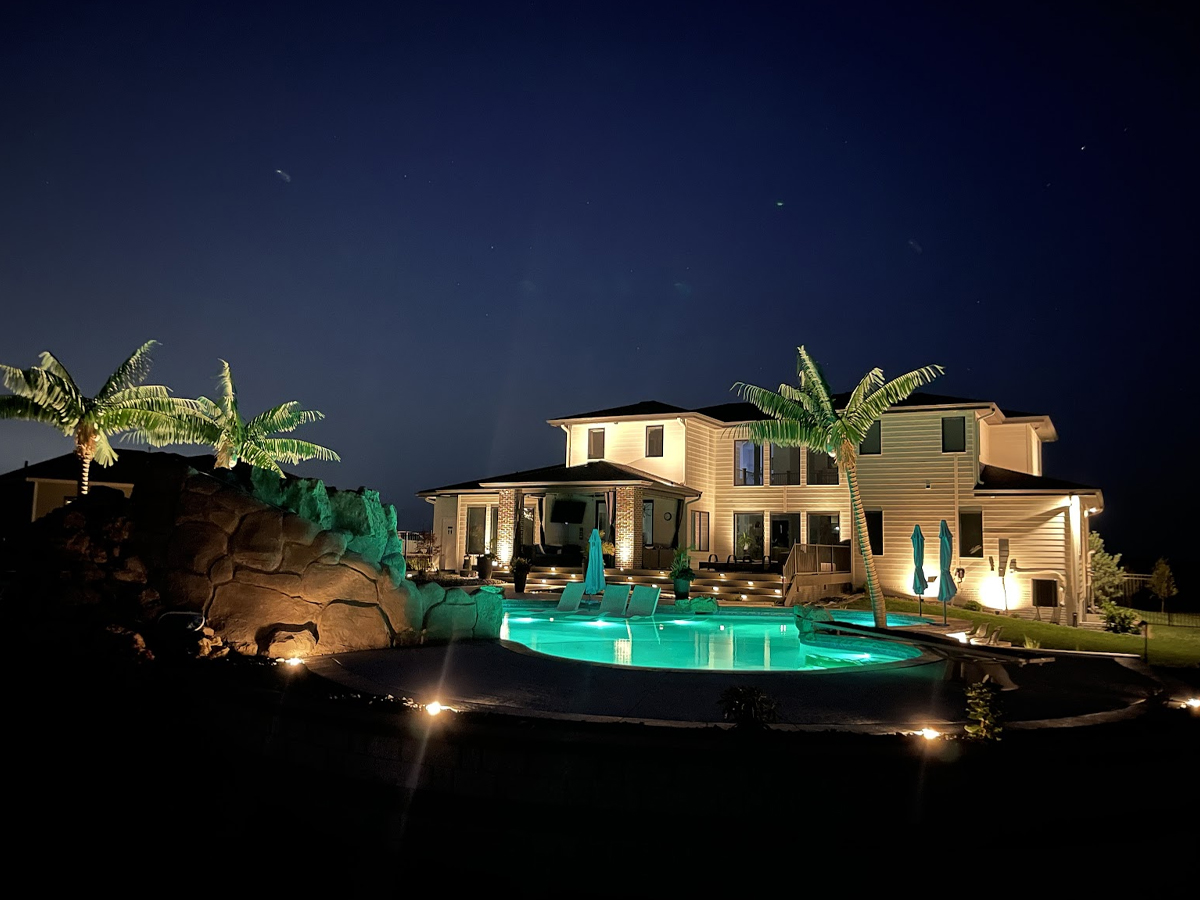
Creating a truly captivating ambiance involves layering different types of light. Think of it as composing a symphony of light, where each instrument plays a vital role. Ambient lighting, the foundation of your design, provides overall illumination for a space. It’s the general, background light that allows you to navigate the room safely. Task lighting, on the other hand, is focused and functional, designed for specific activities like reading, cooking, or working. Accent lighting adds drama and highlights architectural features, artwork, or landscaping. By layering these three types of light, you create depth, dimension, and visual interest in your home. A well-layered exterior residential lighting plan not only adds to the beauty of your space but also improves its functionality and comfort. Consider using a mix of fixtures like recessed lights for ambient light, pendant lights for task lighting, and spotlights for accent lighting. Experiment with different combinations and dimming options to create a dynamic and adaptable lighting scheme.
The Psychology of Light and Color Temperature
Light has a profound impact on our mood and well-being. The color temperature of light, measured in Kelvin (K), plays a crucial role in creating the desired ambiance. Warm light, with a lower Kelvin temperature (2700K-3000K), emits a soft, yellowish glow, creating a cozy and relaxing atmosphere. It’s ideal for living rooms, bedrooms, and dining areas. Cool light, with a higher Kelvin temperature (4000K-5000K), emits a crisp, bluish-white light, promoting alertness and focus. It’s perfect for kitchens, bathrooms, and home offices. Understanding the psychology of light and color temperature allows you to strategically choose fixtures and bulbs that enrich the mood and functionality of each space. Consider the natural light available in each room and how artificial light can complement or supplement it. Think about the activities you’ll be performing in each space and select the appropriate color temperature to support those activities.
Choosing the Right Fixtures and Technology
The world of lighting fixtures and technology can be overwhelming, with a vast array of options available. From traditional incandescent bulbs to energy-efficient LEDs, the choices are endless. Consider factors like energy consumption, lifespan, light output, and aesthetics when selecting fixtures. LED lighting has revolutionized the industry, offering significant energy savings and long lifespans. Smart lighting technology adds another layer of convenience and control, allowing you to adjust your lights remotely, schedule them, and even integrate them with voice assistants. Choosing the right fixtures and technology is essential for creating a functional, beautiful, and sustainable residential lighting design. Research different types of fixtures, such as recessed lights, pendant lights, chandeliers, wall sconces, and landscape lighting. Luxury wall lights, for instance, can add a touch of elegance and sophistication to any space. Explore the various control options available, including dimmers, timers, and smart home integration.
DIY vs. Professional Residential Lighting Design
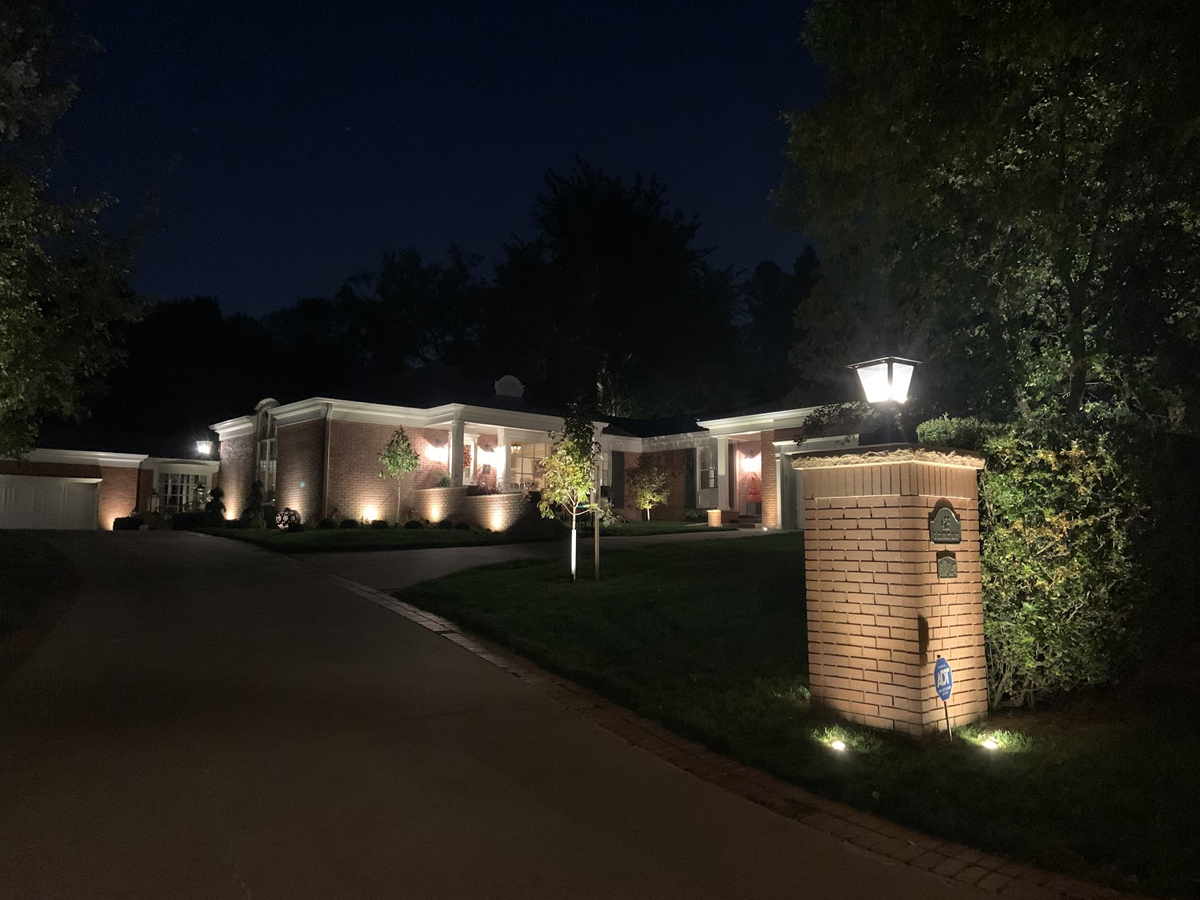
While some aspects of residential lighting design can be tackled as a DIY project, there are significant benefits to hiring a professional lighting designer. A professional brings expertise, creativity, and technical knowledge to the table, ensuring a cohesive and functional lighting plan. They can help you avoid common pitfalls, maximize energy efficiency, and create a truly personalized lighting experience. A professional lighting designer will consider factors like architectural features, natural light, and the surrounding environment to create a design that increases the beauty and functionality of your home. They can also manage the installation process, ensuring that the lighting system is properly installed and meets all safety standards. While a DIY approach may seem cost-effective initially, the long-term benefits of professional residential outdoor lighting design, including increased property value and energy savings, often outweigh the upfront costs. Consider the complexity of your project, your budget, and your comfort level with electrical work when deciding whether to hire a professional.