

The Importance of Proactive Lighting Maintenance
Your outdoor lighting system is an investment, adding to your home’s beauty, safety, and value. But like any investment, it requires care and attention to maintain its brilliance. Lighting maintenance isn’t just about replacing a burnt-out bulb; it’s about preserving the integrity of your entire system, preventing costly repairs down the road, and ensuring your lights continue to shine brightly for years to come. Proactive maintenance is the key to avoiding unexpected outages, extending the lifespan of your fixtures, and keeping your outdoor spaces looking their best. This guide will clear up everything you need to know about keeping your lighting system in top condition.
DIY vs. Professional Lighting Maintenance: Knowing When to Call the Experts
Some lighting maintenance tasks, like changing a bulb or wiping down a fixture, can be handled with a little DIY know-how. However, more complex issues, such as faulty wiring, transformer problems, or control system malfunctions, are best left to the professionals. Attempting DIY repairs on electrical systems can be dangerous and could even void your warranty. Knowing when to call a qualified electrician or lighting technician is crucial for ensuring your safety and the longevity of your system. Professionals have the expertise, tools, and training to diagnose and resolve complex lighting problems quickly and efficiently. They can also identify potential issues before they escalate, saving you time and money in the long run. Consider your comfort level with electrical work and the complexity of the task at hand when deciding whether to DIY or call a professional.
Troubleshooting Common Lighting Problems
Even with regular maintenance, lighting problems can sometimes arise. Flickering lights, for example, can be caused by a loose connection, a faulty bulb, or a problem with the wiring. Dim lights might indicate a low voltage issue, a dirty lens, or a bulb nearing the end of its lifespan. Non-functioning lights could be due to a burnt-out bulb, a tripped breaker, or a problem with the fixture itself. Before calling a professional, there are a few simple troubleshooting steps you can take. Check the bulbs to ensure they are properly installed and functioning. Inspect the wiring and connections for any signs of damage or looseness. Check your breaker box to make sure the circuit for your outdoor lights hasn’t tripped. If these simple checks don’t resolve the issue, it’s time to call a qualified technician.
Specific Maintenance Tips for Different Lighting Types
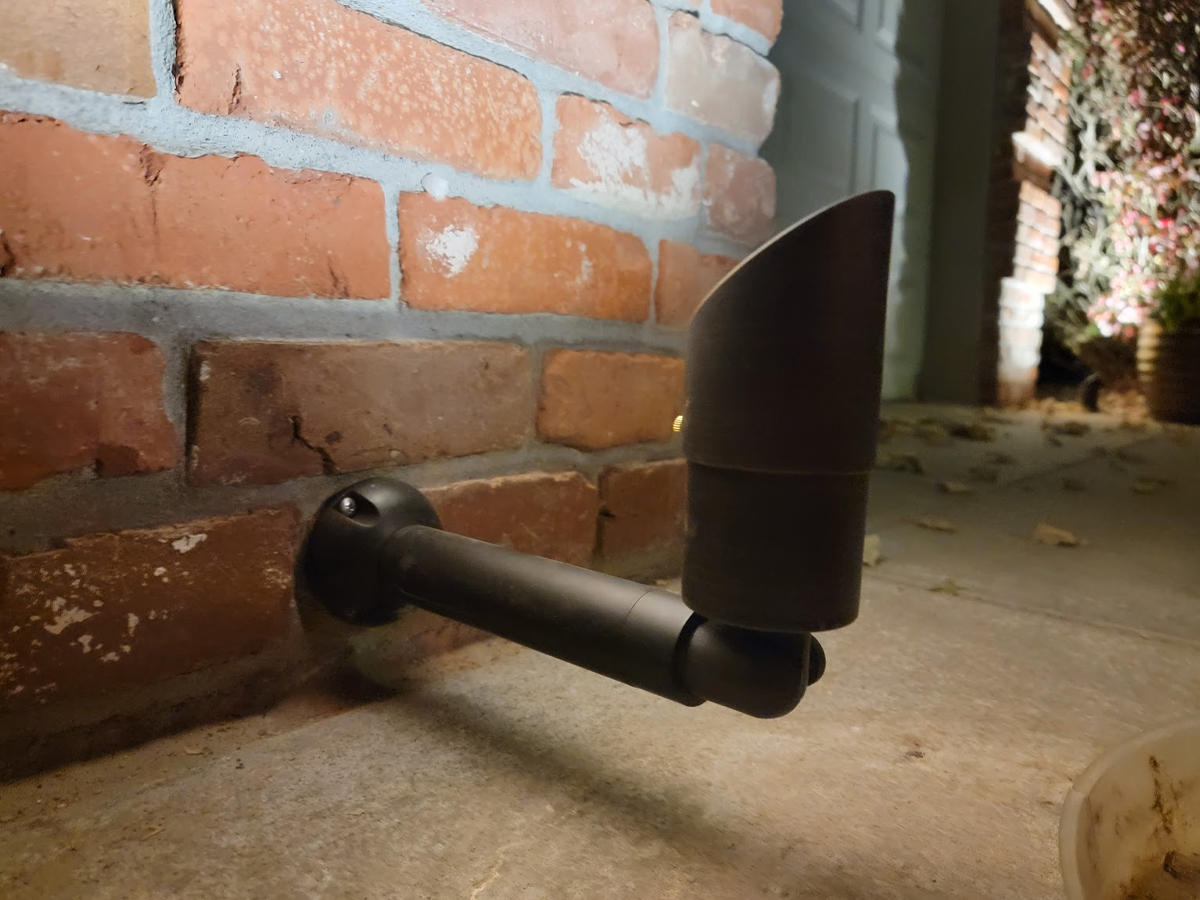
Different types of lighting fixtures require different maintenance approaches. For instance, fluorescent light repair often involves replacing the ballast or starter, while repair LED light fixtures may require specialized knowledge of LED technology. Incandescent bulbs have a shorter lifespan and need to be replaced more frequently than LEDs. Halogen bulbs, while brighter than incandescents, also have a limited lifespan. LEDs, on the other hand, are energy-efficient and long-lasting but may require specialized tools for repair. When cleaning your fixtures, use a soft cloth and a gentle cleaning solution. Avoid using harsh chemicals or abrasive cleaners that could damage the finish. For landscape lighting, ensure that fixtures are properly aimed and that plants haven’t overgrown and obstructed the light output. Regularly check the timers and controllers to ensure they are programmed correctly and functioning as expected.
Creating a Lighting Maintenance Schedule
A proactive lighting maintenance schedule is key to keeping your system in top condition. A good starting point is to inspect your lights at least twice a year, ideally in the spring and fall. During these inspections, check for any signs of damage, replace burnt-out bulbs, clean lenses, and ensure fixtures are properly aimed. For more complex systems or if you’re not comfortable performing these tasks yourself, consider hiring a professional lighting maintenance company. They can create a customized maintenance plan tailored to your specific needs and budget. A professional maintenance plan typically includes regular inspections, preventative maintenance, and priority service for any necessary repairs. Investing in a professional maintenance plan can give you peace of mind knowing that your lighting system is in good hands and will continue to illuminate your property beautifully for years to come.