
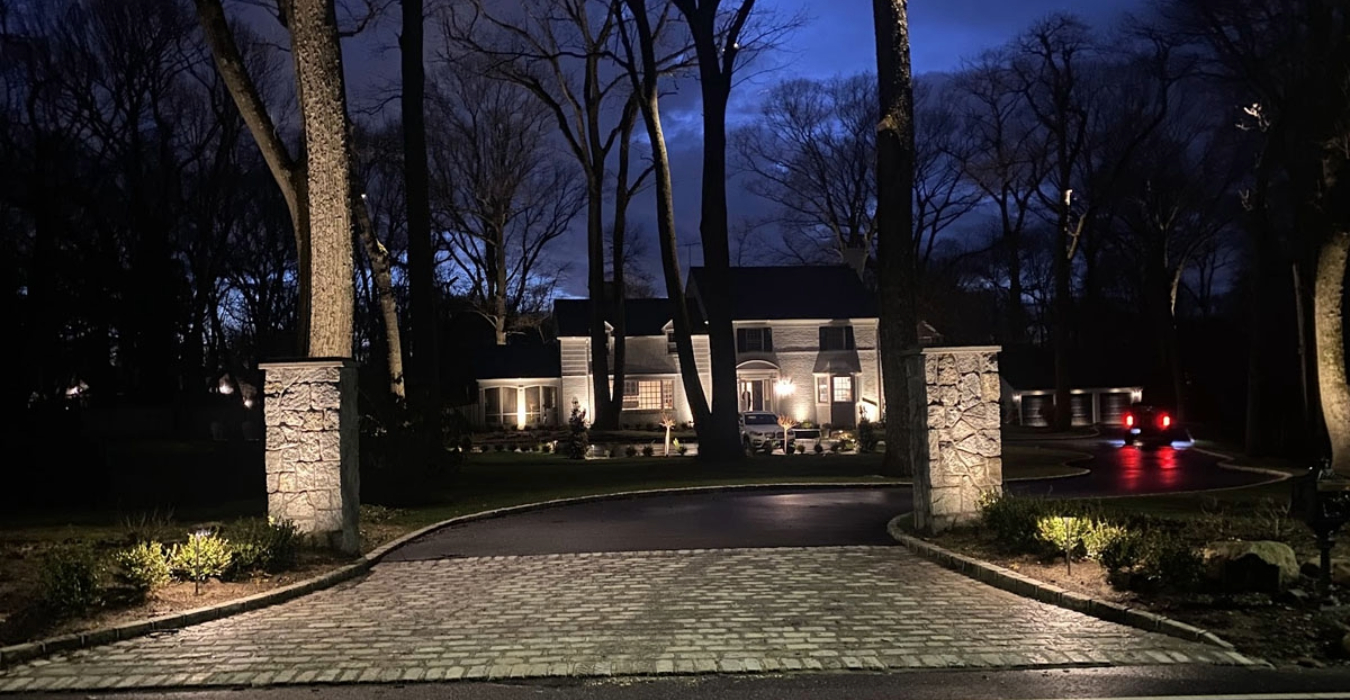
If you have spent any time researching outdoor lighting for your home or business, you have almost certainly encountered the LED versus traditional bulb debate. On the surface, it can feel like a technical comparison best left to electricians. In practice, it is one of the most consequential decisions you will make about your outdoor lighting system, and it affects everything from your monthly energy bill to how often you are climbing a ladder to swap out fixtures. The short answer is that outdoor LED lighting wins on nearly every measurable front. But understanding why helps you make smarter decisions about your system as a whole.
At Midwest Lightscaping, we have been designing and installing professional outdoor lighting systems in Omaha and the surrounding communities since 2011. Over more than 15 years and thousands of completed projects, we have installed more than 30,000 lights across Douglas, Sarpy, Lancaster, and several other Nebraska counties. We made the full transition to LED-based systems years ago, not because it was a trend, but because the data and the real-world results made the decision obvious. This article explains what that data actually looks like for homeowners and business owners weighing their options.
The Fundamental Difference Between LED and Traditional Bulbs
Traditional outdoor bulbs, whether incandescent or halogen, produce light through heat. A filament or gas element is excited by electricity until it glows. The problem is that the vast majority of the energy consumed in this process becomes heat rather than visible light. Incandescent bulbs convert roughly 90 percent of their energy into heat and only 10 percent into light. That is an extraordinary amount of waste, and it compounds quickly across a multi-fixture outdoor lighting system running several hours each night.
Outdoor LED lighting works on a fundamentally different principle. Light-emitting diodes produce light through electroluminescence, a process that generates far less heat and converts a much higher percentage of energy into usable light. This efficiency advantage is not marginal. LED fixtures typically use 75 to 80 percent less energy than their incandescent equivalents to produce the same brightness. For a landscape lighting system with dozens of fixtures running four to six hours nightly, the accumulated energy savings over a year are substantial.
Stop living in the dark. Browse our professional lighting services to see how we brighten up your property.
Lifespan: The Number That Changes the Entire Cost Equation
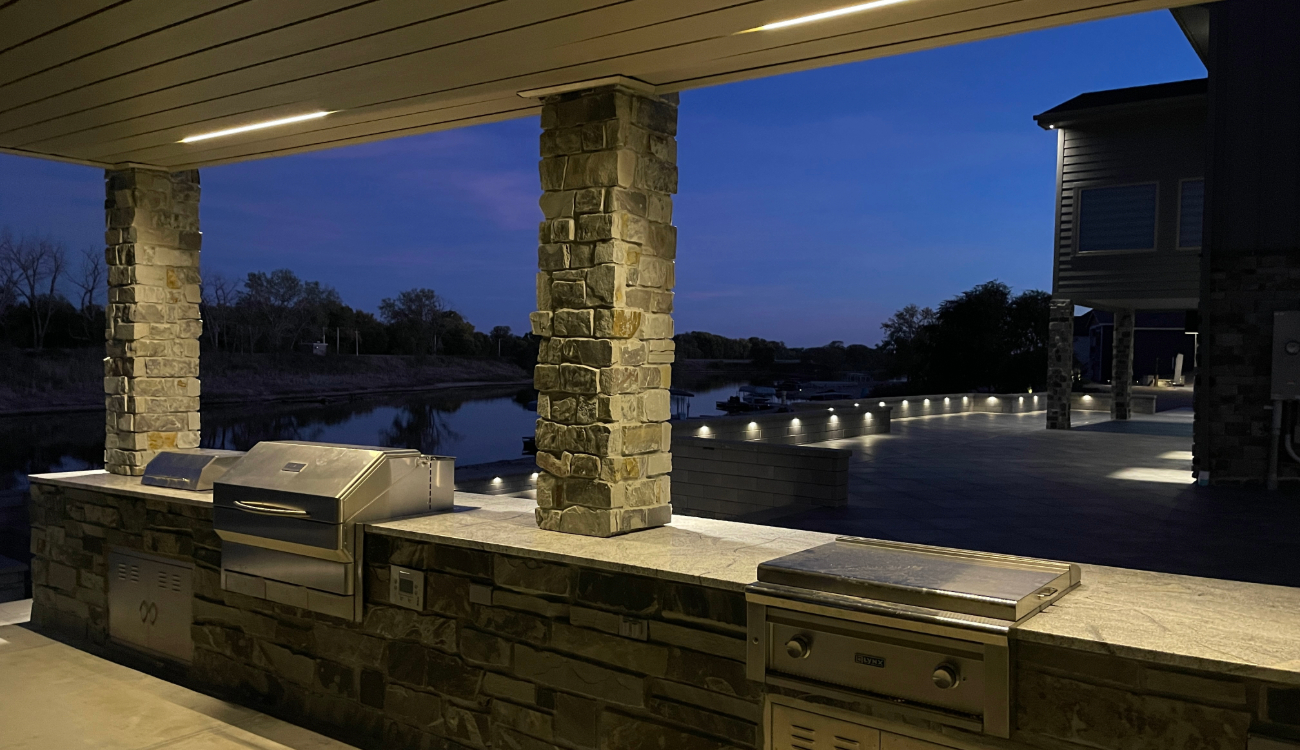
One of the most compelling arguments for outdoor LED lighting is lifespan, and the gap between LED and traditional bulbs is wide enough to fundamentally change how you think about the cost of a lighting system. A standard incandescent bulb lasts somewhere between 1,000 and 2,000 hours. A quality LED fixture, by contrast, is typically rated for 25,000 to 50,000 hours or more. At four hours of nightly use, a 25,000-hour LED fixture would last more than 17 years before requiring replacement. An incandescent bulb at the same usage would need to be replaced every one to two years at best.
For a residential landscape lighting system with 20 or 30 fixtures, the labor cost alone of repeatedly replacing traditional bulbs adds up fast, especially in fixtures that are buried in garden beds or mounted in difficult-to-reach locations. The longer lifespan of LED technology is one of the primary reasons our maintenance programs at Midwest Lightscaping focus on adjustments, cleaning, and system optimization rather than constant bulb replacement. When you invest in a well-designed outdoor LED lighting system, you are largely investing in a system that will work quietly and reliably in the background for years without demanding much of your attention.
Light Quality and Design Versatility
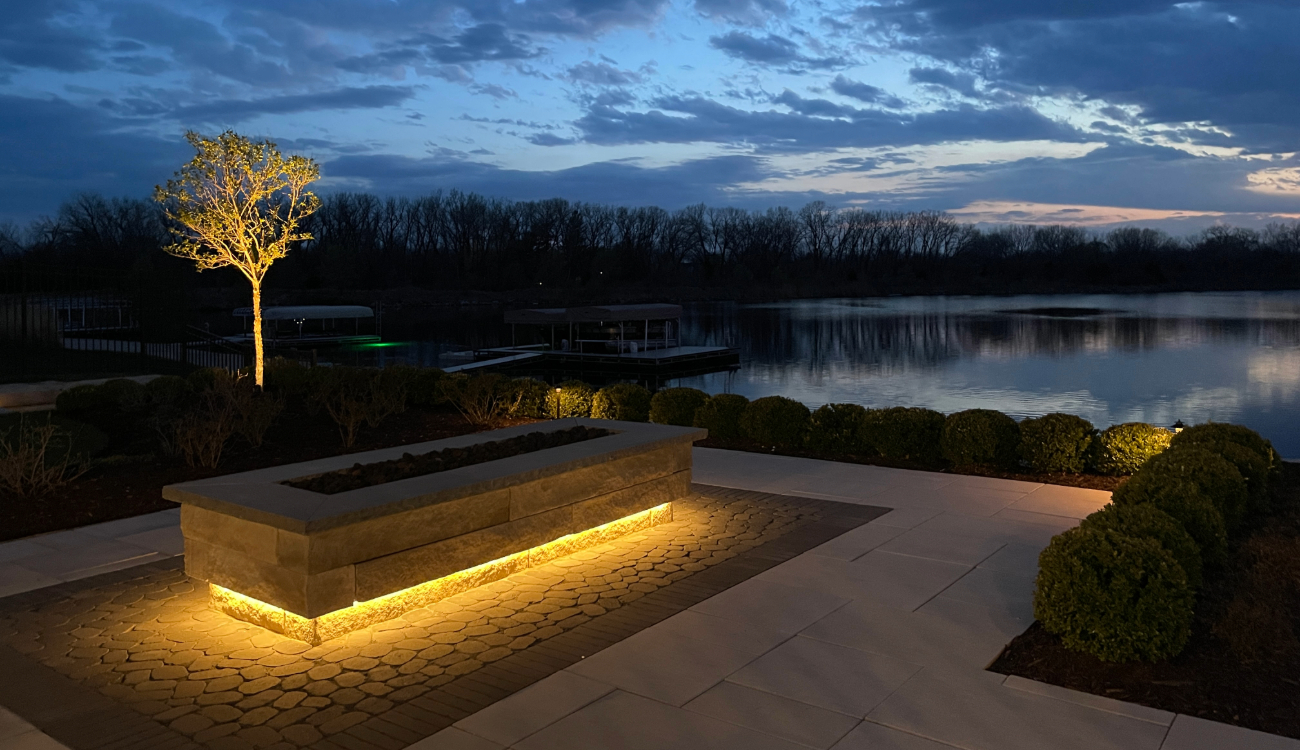
Beyond efficiency and longevity, the quality and controllability of outdoor LED lighting has evolved significantly. Early LED products had a reputation for producing a harsh, bluish light that felt clinical rather than warm. Modern LED fixtures have closed that gap entirely. They are now available across a wide spectrum of color temperatures, from warm amber tones that complement natural stone and wood to cooler whites that give a crisp, architectural feel to contemporary homes and commercial properties.
Color temperature is measured in Kelvin, and for most residential landscape lighting, values between 2700K and 3000K produce a warm, inviting glow that enhances gardens, pathways, and architectural features without feeling artificial. Higher Kelvin values work well for commercial applications where visibility and a clean, professional look are priorities. Traditional bulbs offer almost no flexibility in this area, while LED fixtures give designers and homeowners genuine control over the mood and character of a space.
Advanced outdoor LED lighting systems also support smart controls in ways that traditional bulbs simply cannot. Dimming, color changing, automated scheduling, and smartphone or voice-activated control are all features that become available when you build your system around LED technology. Our Designer Package at Midwest Lightscaping, for example, includes full mobile app control and color-changing scene creation, giving homeowners the ability to shift the entire character of their outdoor space with a tap. That level of flexibility is not possible with incandescent or halogen systems.
Performance in Nebraska’s Climate
Omaha’s climate presents real challenges for outdoor lighting hardware. Summers are hot and humid. Winters are genuinely cold, with temperatures regularly dropping below zero. Traditional bulbs, which already run hot by design, are more vulnerable to temperature extremes at both ends. Rapid cycling between cold starts and hot operation accelerates filament degradation and shortens the already limited lifespan of incandescent and halogen fixtures.
Outdoor LED lighting handles Nebraska’s seasonal swings considerably better. LEDs operate at lower temperatures, which means they are less affected by extreme cold and less likely to overheat in summer. Quality LED fixtures designed for exterior use include weather-resistant housings that protect against moisture, ice, and UV exposure. This durability is a major reason why homeowners and businesses in the Omaha area consistently see better long-term performance from LED-based systems than from traditional alternatives.
Safety, Security, and Practical Benefits
There is a safety dimension to the LED versus traditional bulb comparison that does not always get enough attention. Because traditional bulbs run hot, they present a greater fire risk in applications where fixtures are buried in mulch, surrounded by dry vegetation, or installed close to wooden structures. LED fixtures run cool to the touch, which eliminates that concern and makes them a safer choice for garden beds, tree-mounted applications, and pathway lights set close to landscaping.
The security benefits of outdoor LED lighting are equally concrete. Strategic placement of well-designed LED fixtures eliminates the dark zones around a property where unwanted activity tends to occur. Because LEDs produce consistent, reliable light output over their entire lifespan rather than gradually dimming the way incandescent bulbs do, they provide dependable illumination night after night without degrading. One of our clients, a homeowner in Omaha who had landscape lighting installed through Midwest Lightscaping, saw her security cameras capture clear footage of a car break-in precisely because the LED lighting provided sufficient illumination for the cameras to function effectively. That kind of practical, real-world safety impact is difficult to quantify but impossible to ignore.
The True Cost Comparison Over Time
The most common objection to outdoor LED lighting is upfront cost. Quality LED fixtures do cost more than traditional bulbs at the point of purchase. But this comparison only makes sense if you evaluate cost over a single purchase cycle rather than over the realistic life of a lighting system. When you factor in energy savings, the reduced frequency of bulb replacement, and the lower labor costs associated with maintenance, LED systems almost always cost significantly less over a five to ten-year period.
Consider a simple example. A 20-fixture traditional outdoor lighting system running on incandescent bulbs might cost less to purchase initially but will consume three to four times more electricity over its operational life, require bulb replacements every one to two years, and deliver inconsistent light quality as fixtures age. The same system built on outdoor LED lighting will cost more upfront, consume a fraction of the electricity, require minimal maintenance for a decade or more, and deliver consistent, reliable illumination throughout. For homeowners and business owners thinking beyond the immediate transaction, the math is not particularly close.
Get inspired for your next backyard project by browsing our latest work and designs.
What to Look for in a Professional Outdoor LED Lighting Installer
Choosing LED technology is only part of the equation. The quality of the design and installation determines whether that technology actually delivers on its promise. A poorly designed LED system can produce glare, uneven coverage, or a patchwork effect that detracts from rather than enhances your property. Here is what to look for when evaluating a lighting contractor.
Custom Design, Not Templates
Every property has a unique combination of architecture, landscaping, and spatial relationships that a good lighting design needs to account for. Generic layouts applied uniformly to different homes produce generic results. A quality installer spends time understanding how you use your outdoor space, what features matter most to you, and how you want the property to feel after dark before a single fixture is placed.
Fixture Quality and Weather Resistance
Not all LED fixtures are built to the same standard. The Omaha market has plenty of budget fixtures that will underperform and fail within a few years regardless of the technology inside them. Reputable installers use fixtures specifically rated for outdoor and buried applications, with appropriate IP ratings for moisture resistance and materials that handle temperature cycling without degrading. Ask your installer about the fixtures they specify and why.
Ongoing Maintenance Support
Even the most durable outdoor LED lighting system benefits from periodic professional attention. Plant growth shifts over time and can block or redirect fixture output. Lenses accumulate hard water deposits that reduce light output. Transformers need periodic testing to confirm they are operating within safe parameters. A contractor who offers structured maintenance programs is one who expects to build a long-term relationship with you rather than completing a transaction and moving on.
Midwest Lightscaping in Omaha offers maintenance plans ranging from annual visits to monthly programs for larger properties, each including fixture adjustments, lens cleaning, component testing, selective lamp replacement, and transformer verification. Our monthly maintenance program even includes an exclusive lifetime warranty on fixtures and components, which reflects the confidence we have in the systems we install and the care we put into maintaining them.
Frequently Asked Questions About Outdoor LED Lighting
How much energy do outdoor LED lights actually save compared to incandescent bulbs?
The energy savings from switching to outdoor LED lighting are substantial and well-documented. LED fixtures typically consume 75 to 80 percent less electricity than incandescent bulbs of equivalent brightness. For a landscape lighting system running four hours per night across a full year, that translates to a meaningful reduction in monthly energy costs. The savings grow proportionally with the size of the system, which is why larger commercial properties and homes with extensive lighting tend to see the fastest return on their investment in LED technology.
Can outdoor LED lights handle extreme cold temperatures?
Yes. Outdoor LED lighting actually performs better in cold temperatures than most traditional lighting technologies. Cold conditions do not reduce LED efficiency the way they affect fluorescent lighting, and LEDs do not rely on a heated filament that can be damaged by rapid temperature changes. Quality outdoor LED fixtures are rated for operation in temperatures well below freezing and are designed with housings that resist moisture intrusion from snow and ice. For climates with genuine winter conditions, LED technology is the more reliable choice.
What color temperature is best for residential landscape lighting?
For most residential landscape applications, color temperatures between 2700K and 3000K produce the most visually pleasing and natural results. This range creates a warm, amber-toned light that complements organic materials like stone, brick, wood, and garden plantings. It also tends to feel welcoming rather than clinical, which matters for spaces where families and guests spend time. Cooler temperatures in the 4000K to 5000K range are better suited to commercial settings or specific architectural applications where a crisper, more neutral light is preferred. The right choice ultimately depends on the materials and atmosphere of the specific property.
Do outdoor LED lights work with dimmer switches and smart home systems?
Most modern outdoor LED lighting systems are compatible with dimming and smart home integration, though compatibility depends on the specific fixtures and controllers used. LED dimming requires a driver or transformer designed for that purpose. When the system is specified and installed correctly, LED fixtures can be dimmed smoothly across a wide range without flickering, and they can be integrated with smartphone apps, voice assistants, and home automation platforms. Color-changing LED systems add another layer of control, allowing homeowners to create entirely different lighting scenes for different occasions without any hardware changes.
How do I know if my existing outdoor lighting system can be converted to LED?
In many cases, existing low-voltage landscape lighting systems can be converted to LED by replacing the bulbs or lamp inserts within existing fixtures, provided the fixture housings are still in good condition. The transformer may also need to be evaluated, as LED systems draw less power and some older transformers do not regulate voltage well at the lower load levels that LED fixtures create. A professional assessment is the most reliable way to determine what can be retained and what needs to be upgraded. A full fixture replacement is sometimes the better investment, particularly if the existing hardware is significantly aged or if the design does not efficiently use the current fixture positions.
The Bottom Line on Outdoor LED Lighting in Omaha
The comparison between outdoor LED lighting and traditional bulbs is not particularly close when you look at the full picture. LED technology delivers superior energy efficiency, dramatically longer lifespan, better light quality, greater design flexibility, stronger performance in extreme temperatures, and lower total cost of ownership over any realistic time horizon. The higher upfront cost is a real consideration, but for homeowners and business owners thinking about a system they will live with for a decade or more, it is not a compelling reason to accept a technology that underperforms in every other dimension.
What matters just as much as the technology itself is the quality of the design and installation. Outdoor LED lighting is capable of genuinely transforming a property after dark, creating a nighttime character that enhances safety, security, curb appeal, and the simple enjoyment of the spaces you have invested in. But that result requires expertise, attention to detail, and a genuine understanding of how light interacts with architecture and landscaping.
Midwest Lightscaping in Omaha has been earning that trust since 2011. We have won the Best of Omaha award every year since 2015, and we have taken first place consecutively from 2021 through 2025. Our team approaches every project, from a single-family residential installation to a large commercial development, with the same commitment to custom design, quality materials, and long-term client relationships.
If you are ready to explore what a professionally designed outdoor LED lighting system could do for your Omaha property, contact Midwest Lightscaping today at (402) 509-2810. You can also connect with us through midwestlightscaping.com to schedule your free consultation. We would love to show you what your property looks like after dark when it is lit the right way.