
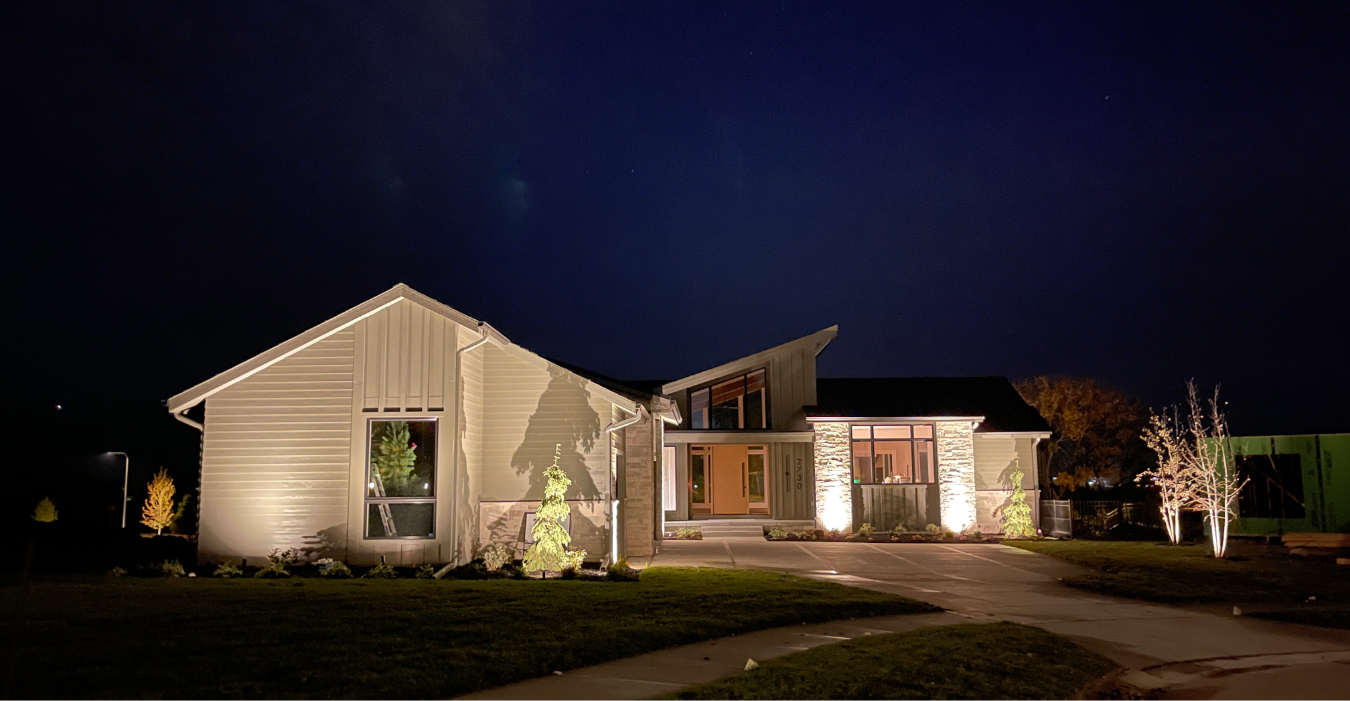
Walking into a lighting showroom or scrolling through an online catalog of outdoor light fixtures can feel genuinely overwhelming. There are hundreds of styles, dozens of technologies, and an enormous range of price points, and without a clear framework for evaluating what you actually need, it is easy to either overbuy or end up with something that looks beautiful on a shelf but performs poorly in the real world. The truth is that selecting outdoor light fixtures is less about finding what looks good in isolation and more about understanding how light interacts with your specific property, your goals, and the Nebraska climate you are working within.
At Midwest Lightscaping, we have been helping Omaha homeowners and businesses navigate exactly this decision since 2011. With more than 30,000 lights installed across Douglas, Sarpy, Lancaster, and surrounding counties, we have seen what works, what fails prematurely, and what creates the kind of nighttime transformation that people genuinely love coming home to. This guide distills that experience into practical guidance for anyone approaching an outdoor lighting project for the first time or reconsidering a system that has not lived up to expectations.
Start With Purpose, Not Appearance
The single most common mistake homeowners make when selecting outdoor light fixtures is starting with aesthetics. Browsing by style first leads to decisions that look coherent in a catalog but fail to account for what the lighting actually needs to accomplish in a given location. Before you consider the shape of a housing or the finish of a fixture, ask yourself what each zone of your property genuinely needs from its lighting.
Safety-focused zones like steps, pathways, and driveways need consistent, even illumination that eliminates tripping hazards and guides movement confidently after dark. Accent zones around trees, garden beds, and architectural features need fixtures that concentrate light precisely without spilling into unwanted areas. Security zones along fence lines, garage approaches, and entry points need fixtures with sufficient output to deter unwanted activity and support camera coverage. Entertainment spaces like patios and decks need fixtures that create an atmosphere without harsh glare. Defining these zones before you start shopping dramatically narrows your choices and keeps every decision purposeful.
From security setups to curb appeal, explore our full range of options to find the right fit for your home.
Understanding the Main Types of Outdoor Light Fixtures
Professional landscape lighting systems draw from several fixture categories, each designed to accomplish specific tasks. Understanding what each type does makes it far easier to evaluate whether a particular fixture belongs in your design.
Path Lights
Path lights are low-mounted fixtures placed along walkways, driveways, and garden edges. Their purpose is to cast light downward onto the walking surface rather than projecting upward or outward. The best path light outdoor light fixtures use shielded or hooded designs that direct light precisely where it is needed and prevent glare from reaching eye level. Spacing matters enormously with path lights. Fixtures placed too far apart create pools of light separated by dark gaps, which is visually unappealing and less safe than a more continuous spread of illumination.
Uplights
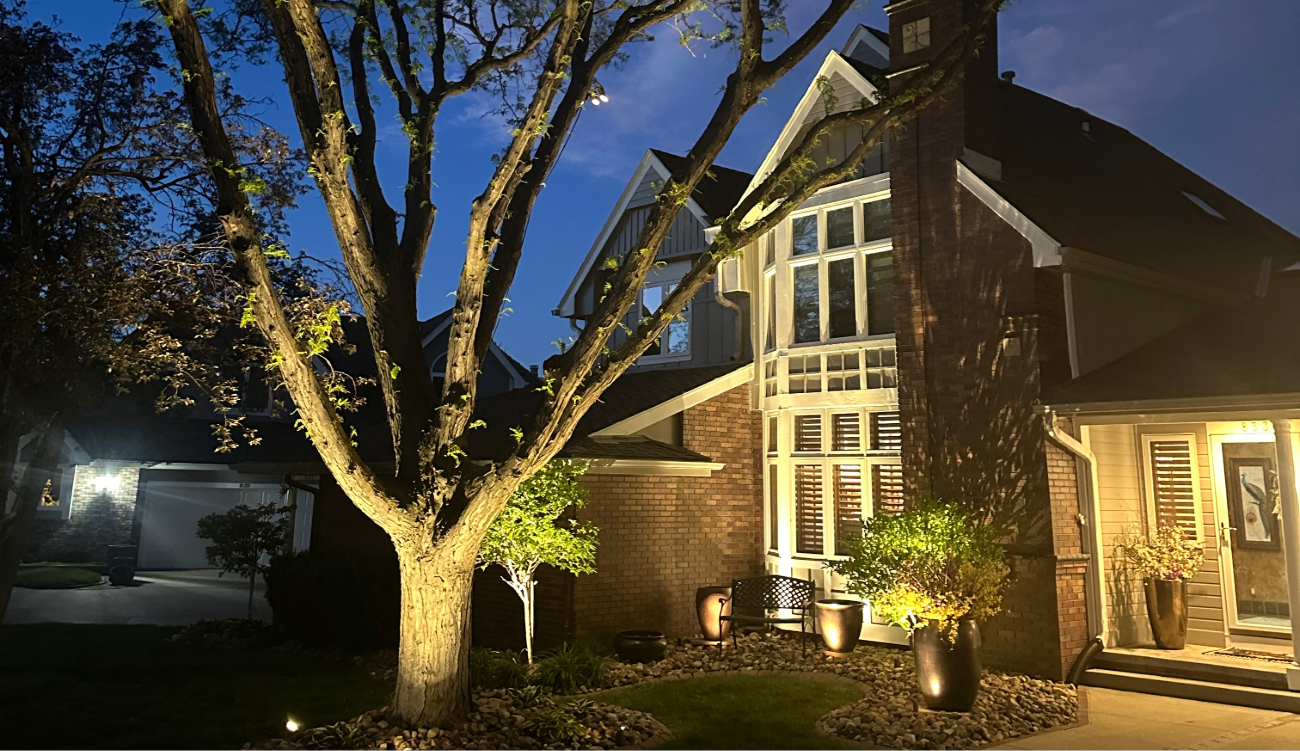
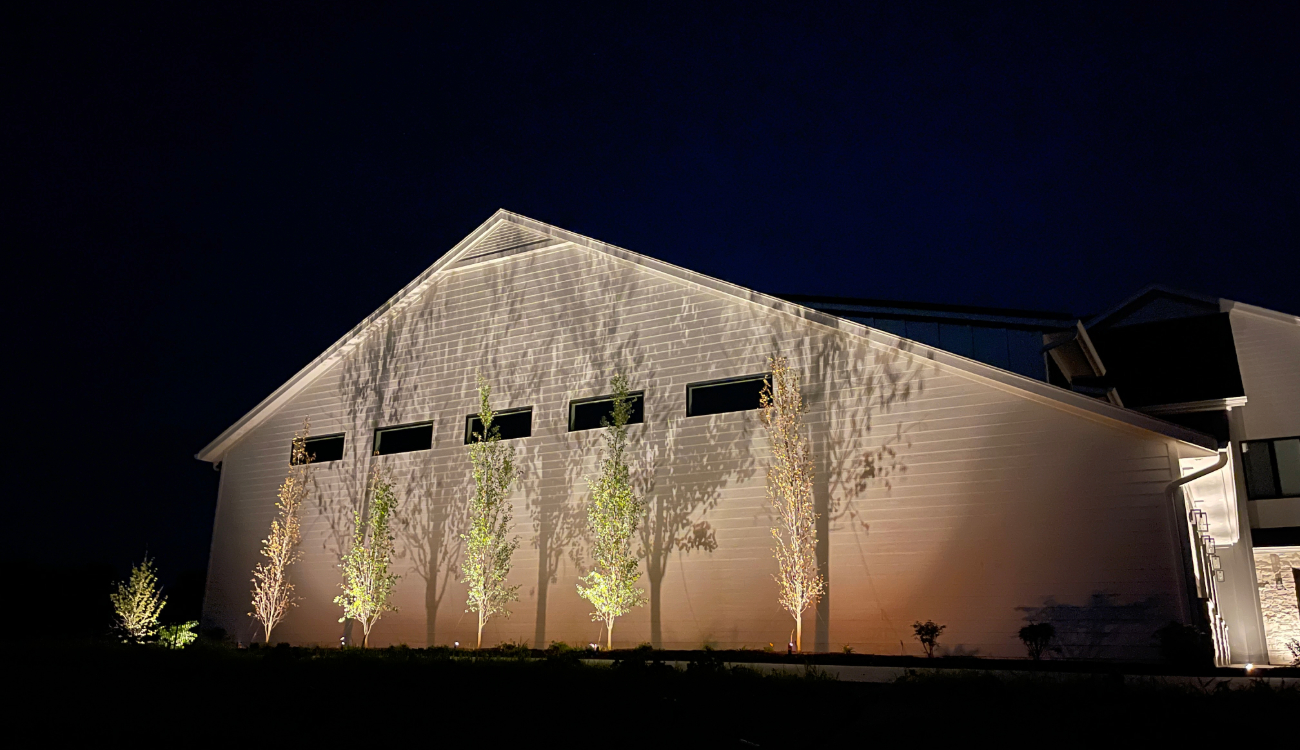
Uplighting fixtures are installed at or near ground level and aimed upward to accent trees, shrubs, columns, and architectural surfaces. They create dramatic visual depth by revealing texture and form that daylight tends to flatten. The beam angle of the fixture matters greatly here. Narrow spot beams work well for tall, slender trees and columns. Wider flood beams are better suited to broad surfaces like stone facades or large ornamental trees with expansive canopy spreads. Uplights are among the most impactful outdoor light fixtures in a landscape lighting system when placed thoughtfully.
Downlights
Downlighting fixtures are mounted in trees, on structures, or on dedicated poles and project light downward. When done well, tree-mounted downlights create a moonlighting effect, a soft, dappled illumination that mimics natural moonlight filtering through a canopy. This technique produces some of the most natural-looking and flattering outdoor lighting results possible. Downlights are also effective for illuminating large outdoor living areas without the glare that comes from fixtures mounted at eye level.
Specialty and Architectural Fixtures
Specialty outdoor light fixtures include well lights buried flush with the ground for a clean look, step lights integrated into risers and retaining walls, and wall wash fixtures designed to graze light across textured surfaces. Architectural fixtures highlight the lines, materials, and structural features of a home or commercial building. The best architectural lighting feels deliberate rather than decorative, drawing attention to the things that give a building its character rather than simply flooding the facade with light.
Permanent Roofline Fixtures
Permanent roofline lighting has grown significantly in popularity as homeowners discover the appeal of year-round architectural illumination without the annual hassle of temporary holiday lights. These fixtures are installed discreetly into the roofline channel or track and are virtually invisible during the day. Controlled via smartphone app, they can display any color and pattern, making them adaptable to holidays, seasonal occasions, team colors, and everyday architectural enhancement. For homes in Omaha where winter decorating is a tradition but ladder work in December is a genuine safety risk, permanent roofline fixtures are an increasingly practical investment.
Key Technical Specifications to Evaluate
Once you understand the fixture categories, the next layer of evaluation involves the technical specifications that determine real-world performance. These are the details that separate outdoor light fixtures built for long-term professional use from budget products that underperform within a few seasons.
IP Rating
The IP rating on a fixture tells you how well it is protected against solid particles and water. For outdoor applications in Nebraska, where fixtures contend with rain, snow, ice, and irrigation spray, an IP65 rating or higher is the practical minimum for most applications. IP65 means the fixture is fully dust-tight and protected against water jets from any direction. Fixtures installed at or below grade level, such as well lights or path lights in irrigated beds, should carry an IP67 or IP68 rating, which covers temporary or prolonged submersion.
Lumen Output and Beam Angle
Lumens measure the total quantity of light a fixture produces. Beam angle determines how that light is distributed. A fixture with 500 lumens and a 10-degree narrow spot beam will produce a tight, intense pool of light suitable for accenting a narrow column. The same 500 lumens through a 60-degree flood beam will spread much more softly across a wider area with less intensity at any given point. Getting the combination of lumens and beam angle right for each location is one of the most technically demanding parts of designing an outdoor light fixture layout, and it is where professional expertise consistently produces better results than DIY approaches.
Color Temperature
Color temperature, measured in Kelvin, controls the warmth or coolness of the light a fixture produces. For residential landscape lighting, 2700K to 3000K creates a warm, inviting tone that complements natural materials and creates a welcoming atmosphere. Values above 4000K feel progressively cooler and more clinical, which is appropriate for commercial settings but tends to feel harsh in residential landscape contexts. Mixing color temperatures across a single property without intentional design rationale creates visual inconsistency that undermines the overall effect.
Material and Finish Durability
Outdoor light fixtures are exposed to UV radiation, temperature extremes, moisture, and physical contact from lawn equipment and landscaping activity. Fixtures made from cast brass, solid copper, or high-grade aluminum with powder-coated finishes hold up far better than those made from plastic composites or thin stamped metal. The finish matters as much as the material. Anodized or powder-coated finishes resist corrosion and UV fading. Cheaper painted finishes peel and oxidize within a few seasons, particularly in the freeze-thaw conditions Omaha experiences each winter.
Matching Fixtures to Your Property’s Character
Beyond technical performance, outdoor light fixtures do have an aesthetic dimension that deserves thoughtful consideration. The style of the fixture housing, visible during daylight hours, should be consistent with the architectural character of the property. Traditional homes with brick or stone detailing tend to be complemented by fixtures with classic proportions and bronze or aged brass finishes. Contemporary architecture pairs naturally with fixtures that have clean lines, minimal ornamentation, and darker finishes like matte black or architectural bronze. Transitional properties have more flexibility and can support a wider range of fixture styles.
The goal is coherence across the system. A mix of fixture styles that were chosen independently of each other for different zones of the same property tends to look accidental rather than designed. At Midwest Lightscaping, our design process involves selecting fixture families that work together visually across a property while still performing the distinct functional roles each zone requires. That holistic approach is part of what separates a custom lighting design from a collection of individual purchases.
See the real-world results of our installations in our outdoor lighting gallery.
Why Professional Fixture Selection Matters
The outdoor light fixtures available at big box retailers represent a fraction of what is available through professional channels, and they are not always the fraction worth buying. Professional-grade fixtures are manufactured to tighter tolerances, use higher-quality components, and are backed by warranties that reflect genuine confidence in their longevity. They are also specified by people who understand how a given fixture will actually perform in a real outdoor environment rather than in a testing lab or a product photograph.
Midwest Lightscaping in Omaha does not align with a single manufacturer or push a proprietary product line. Our extensive product knowledge allows us to recommend the right combination of value, durability, and performance for each project. When you work with us, you benefit from years of field experience evaluating how different fixtures perform across Nebraska’s seasons, and from a design process that considers each fixture selection in the context of the overall system rather than in isolation.
We have earned the Best of Omaha award every year since 2015 and held first place consecutively from 2021 through 2025, and the consistency behind that recognition comes directly from the quality of the systems we design and the fixtures we specify. Our clients are not replacing fixtures every few seasons or living with lighting that falls short of what they imagined. They are enjoying systems that deliver on the original vision and continue to do so years later.
Frequently Asked Questions About Outdoor Light Fixtures
What is the difference between low-voltage and line-voltage outdoor light fixtures?
Low-voltage outdoor light fixtures operate at 12 volts rather than the standard 120-volt line voltage used in household wiring. They require a transformer to step down the voltage and are the dominant choice for landscape and garden lighting because they are safer to work around, easier to install and modify, and well-suited for LED technology. Line-voltage fixtures operate directly from the main electrical supply and are typically used for security floodlights, post-mounted street-style fixtures, and applications requiring high output over large areas. For most residential landscape lighting applications, low-voltage LED systems offer the best combination of safety, flexibility, and energy efficiency.
How many outdoor light fixtures does a typical residential property need?
The number of fixtures a property needs depends on its size, the complexity of the landscaping, the number of distinct zones being addressed, and the overall lighting goals. A modest front-yard pathway and facade lighting project might involve 8 to 15 fixtures. A comprehensive whole-property system covering front and back yards, garden beds, trees, architectural features, and outdoor living areas can involve 30 to 60 fixtures or more. Rather than targeting a fixture count, the better approach is to define each zone’s purpose and determine the fixture placement that achieves the right coverage and effect for each one.
How do I prevent outdoor light fixtures from causing glare?
Glare from outdoor light fixtures is almost always a function of two variables: beam angle and fixture positioning. Fixtures aimed directly at eye level or with excessively wide flood beams in areas where people are present create uncomfortable glare that actually reduces visibility rather than improving it. Shielded or hooded fixtures that direct light downward or into a defined zone rather than broadcasting it in multiple directions eliminate most glare problems. For uplighting, selecting fixtures with the appropriate beam angle for the object being lit prevents spill light from reaching eye level. In general, more fixtures at lower output levels produce better results than fewer fixtures at high output.
Can outdoor light fixtures be installed in extreme cold climates?
Yes, provided the fixtures are appropriately rated for cold weather operation and made from materials that handle freeze-thaw cycling without degrading. LED fixtures perform well in cold temperatures and do not rely on heat-generating components that can fail under cold-start conditions. The housing material is equally important. Cast brass and solid aluminum fixtures contract and expand predictably across temperature ranges without cracking. Plastic composite housings, by contrast, become brittle in prolonged cold and are more prone to cracking and seal failure. For climates with genuine winters, material quality is a non-negotiable part of fixture selection.
How long should quality outdoor light fixtures last before needing replacement?
Quality professional-grade outdoor light fixtures built with cast metal housings, weather-resistant seals, and LED light sources should last 15 to 25 years or more with proper maintenance. The LED light source itself is typically rated for 25,000 to 50,000 hours of operation, which at four hours of nightly use represents well over a decade of continuous service. What tends to fail first in outdoor fixtures is not the LED itself but the seals, gaskets, and driver electronics. Regular professional maintenance that identifies and addresses seal degradation and driver issues before they cause fixture failure is the most reliable way to achieve the full potential lifespan of a quality outdoor lighting system.
Making the Right Choice for Your Omaha Property
Choosing the right outdoor light fixtures is not a decision that benefits from rushing. The fixtures you select will be part of your property’s exterior for years, and the performance gap between well-chosen professional-grade fixtures and budget alternatives compounds over time. Starting with a clear understanding of purpose, evaluating technical specifications honestly, and working with someone who has seen how different products actually perform in Nebraska’s conditions is the most reliable path to a system you will be genuinely proud of.
Midwest Lightscaping in Omaha brings over 15 years of experience, more than 1,000 completed projects, and a multi-award-winning reputation to every lighting consultation. Our team does not sell fixtures off a shelf. We design systems around your property, your goals, and your budget, then specify the outdoor light fixtures that will deliver on that design for the long term.
Contact Midwest Lightscaping today at (402) 509-2810. You can also reach us through midwestlightscaping.com. We would love to walk your property with you and show you what the right fixtures in the right places can do.