
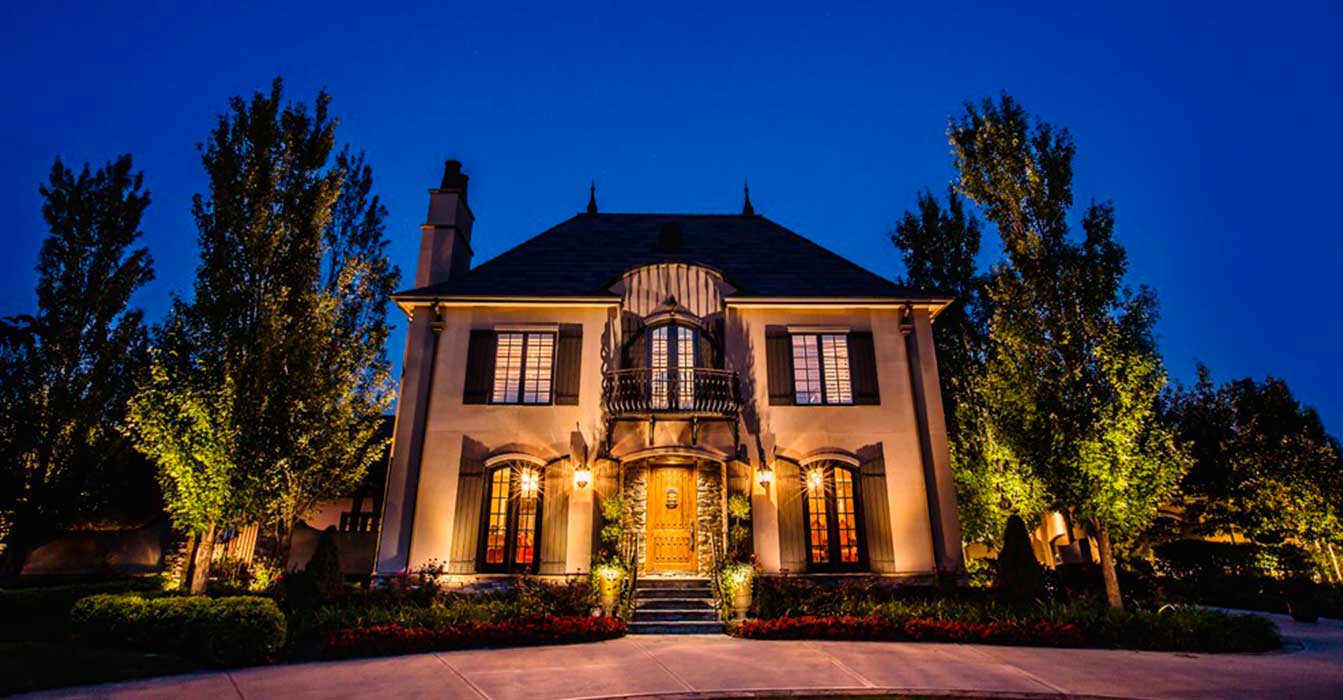
Good lighting isn’t just something you turn on and off, it’s an art and a science that can drastically transform the way you experience your spaces, both indoors and out. Understanding the fundamentals of lighting design empowers you to create environments that are functional, beautiful, and truly benefit your life. Whether you’re looking to brighten your interiors or illuminate your landscape, this comprehensive guide will cover everything from the basic principles to more advanced concepts, setting you on the path to being a master in lighting design in your next lighting project.
The Core Principles That Guide Great Lighting
At its heart, effective lighting design revolves around three key principles. Keeping these principles in mind will help you make better informed decisions as you dive deeper into the world of lighting.
- Functionality. You want to ensure you have the right amount of light for specific tasks, safe navigation, and overall usability of a space.
- Aesthetics. It’s all about using light to create a desired mood, highlight architectural features, and improve the visual appeal of your surroundings.
- Efficiency. An ideal design will consider lighting solutions that are both cost-effective to run and environmentally responsible.
Understanding the Language of Light
To truly grasp lighting design, it’s helpful to understand some key terms that describe the properties of light itself:
- Brightness (Lumens): Measured in lumens, brightness indicates the total amount of visible light emitted by a source. Knowing the lumen output of a fixture helps you determine if it will provide sufficient illumination for a particular area or task.
- Color Temperature (Kelvin): Expressed in Kelvin (K), color temperature describes the warmth or coolness of white light. Lower Kelvin values (~2700K) produce a warm, yellowish light often preferred for cozy and relaxing spaces. Higher Kelvin values (~5000K) emit a cool, bluish-white light that’s often better for task-oriented areas.
- Color Rendering Index (CRI): The CRI is a scale from 0 to 100 that indicates how accurately a light source renders the colors of objects compared to natural daylight. A higher CRI means colors will appear more vibrant.
- Light Distribution (Beam Angle): This refers to the angle at which light is emitted from a fixture. A narrow beam angle creates a focused spotlight, while a wider angle produces a broader flood or wash of light. Understanding beam angles is especially important for effectively highlighting specific objects or illuminating larger areas.
The Art of Layering Light
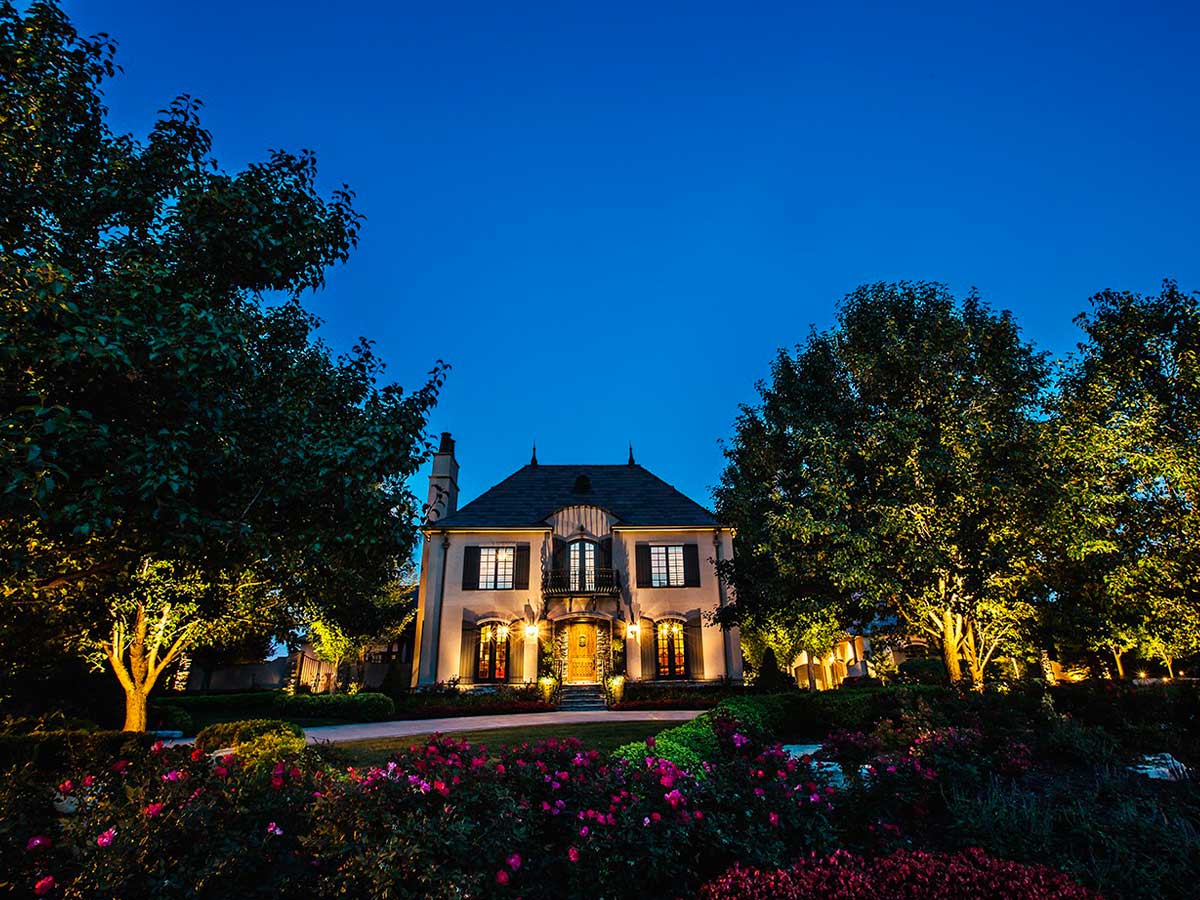
One of the fundamental concepts in lighting design is the idea of layering light. This involves using different types of light sources to create a well-balanced and visually interesting space. The interplay between these layers is what results in a truly dynamic and functional lighting design. The three primary layers are:
- Ambient Lighting: This provides the overall, general illumination for a room or outdoor area. Think of it as the foundational layer that ensures you can safely navigate the space. Some common examples include porch lights, pathway lights, and broad landscape washes.
- Task Lighting: This layer focuses light on specific areas where you normally perform tasks, adding visibility and making the overall area safer. Examples include deck lights for dining, spotlights for grilling areas, and step lights for safer passage.
- Accent Lighting: This is used to highlight specific architectural features, landscaping elements, or decorative objects with the objective of adding drama and visual interest. Uplighting trees or illuminating garden sculptures are examples of how one might apply accent lighting to a property home.
Exploring Key Lighting Fixture Types
The world of lighting fixtures is vast and varied and the fixtures you use depend on the specific application, desired effect, and the overall style of your property. While Midwest Lightscaping specializes in outdoor solutions, understanding both indoor and outdoor options provides valuable context when you need to choose the right fixture.
Indoor Fixtures:
Pendant lights, which are suspended from the ceiling, serve the dual purpose of providing both ambient and focused task lighting. Chandeliers, often more decorative in nature, are ceiling-mounted fixtures typically used to create overall ambient lighting in spaces like dining rooms or entryways. Recessed lights offer a clean and unobtrusive lighting solution, installed directly within the ceiling to provide either general ambient light or focused task lighting. Lastly, both table and floor lamps offer versatile and portable sources of task and accent illumination, allowing for flexible lighting arrangements within a room.
Outdoor Fixtures:
Path lights are designed to provide low-level illumination along walkways and garden paths, adding safety. Spotlights offer a more focused beam of light, ideal for highlighting specific features such as trees, architectural details of a building, or outdoor signage. Floodlights emit a wider spread of light, making them perfect for illuminating larger areas for security purposes or to create a general ambient glow across a wide landscape. Deck lights are integrated directly into the structure of decks, railings, or steps, serving both functional safety purposes and contributing to the overall aesthetic appeal. Step lights are small, often recessed fixtures specifically designed to improve safety by illuminating individual steps. Finally, underwater lights are specialized fixtures designed to be submerged in water features, allowing for dramatic illumination and highlighting aquatic elements.
Mastering Basic Lighting Techniques
Several fundamental techniques can be employed to achieve different visual effects with your lighting. If you want to start putting all the theory into practice, we recommend experimenting with these techniques to add depth and interest to your lighting design:
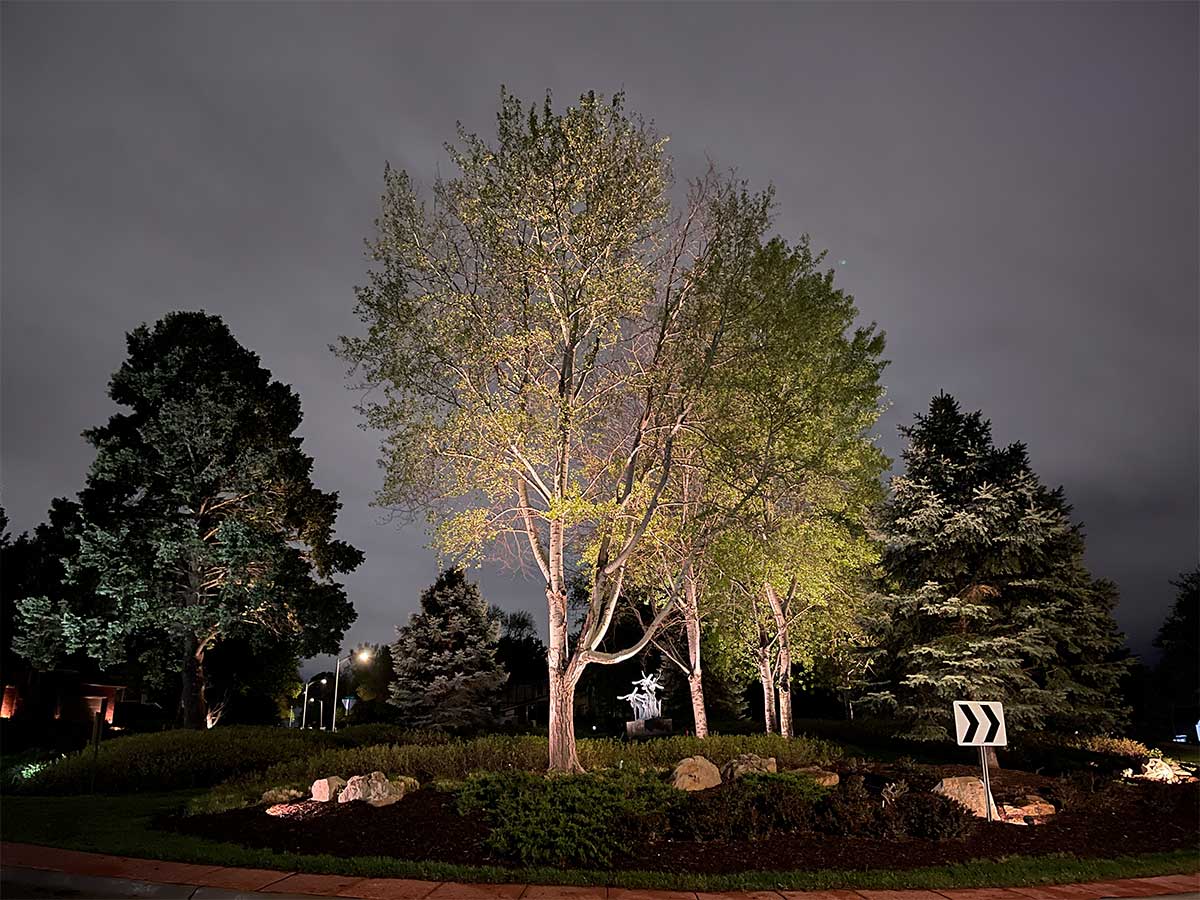
- Uplighting: Directing light upwards to highlight height and create drama.
- Downlighting: Casting light downwards for general illumination or to highlight areas below.
- Backlighting (Silhouetting): Placing a light source behind an object to create a dramatic outline.
- Grazing: Positioning light close to a surface to emphasize its texture.
Taking Control of Your Light
The way you manage your lighting system is an important aspect of your overall design. Standard switches offer a simple on or off control for individual lights or groups of fixtures. Dimmers provide the added functionality of adjusting the intensity of the light, allowing for the creation of different moods and also contributing to energy savings. For automated control, timers and photocells are the most convenient as they can be implemented to turn lights on and off based on the time of day or the level of ambient light. Finally, smart lighting systems represent a more advanced approach, offering control through smartphone applications or voice commands, often allowing for a high degree of customization and scheduling.
Embracing Energy Efficiency and Sustainability
In contemporary lighting design, the consideration of energy efficiency is a trend we see more and more. LEDs stand out as a significantly more energy-efficient technology with a longer lifespan compared to traditional incandescent or halogen bulbs. What this translates to is lower energy consumption and reduced replacement costs, making them an environmentally responsible and economically sound choice for most people.
A responsible lighting design also takes into account the issue of light pollution. Thus, when selecting fixtures, it helps to look for those specifically designed to maximize their light output while minimizing the amount of energy they consume. By directing light downwards to illuminate only the intended areas and avoiding excessive upward lighting, we can help preserve the natural night sky and reduce unnecessary energy waste.
Peeking into Advanced Lighting Design
While the basics provide a strong foundation, lighting design can become quite complicated the more you look into the topic. Some advanced design topics to consider include:
- Zoning: Dividing your lighting into multiple controllable zones requires a harder setup but allows for greater flexibility in creating different moods and highlighting specific areas as needed.
- Color in Lighting: Using colored lights or gels can create dramatic effects or highlight specific elements if you know how to combine colors well.
- Dynamic Lighting: Systems that allow for changes in color temperature or intensity over time can improve the body’s internal clock indoors or create engaging outdoor displays.
- Integration with Architecture and Landscape: Expert lighting design considers how light can beautify the existing architectural style of a building and complement the natural elements of a landscape, creating a wholesome visual experience.
The Bright Conclusion to Your Lighting Journey
Mastering lighting design is an ongoing journey of learning and experimentation. By understanding the core principles, the properties of light, the art of layering, and the various techniques and technologies available, you can turn your spaces into functional, beautifully illuminated, environments.