
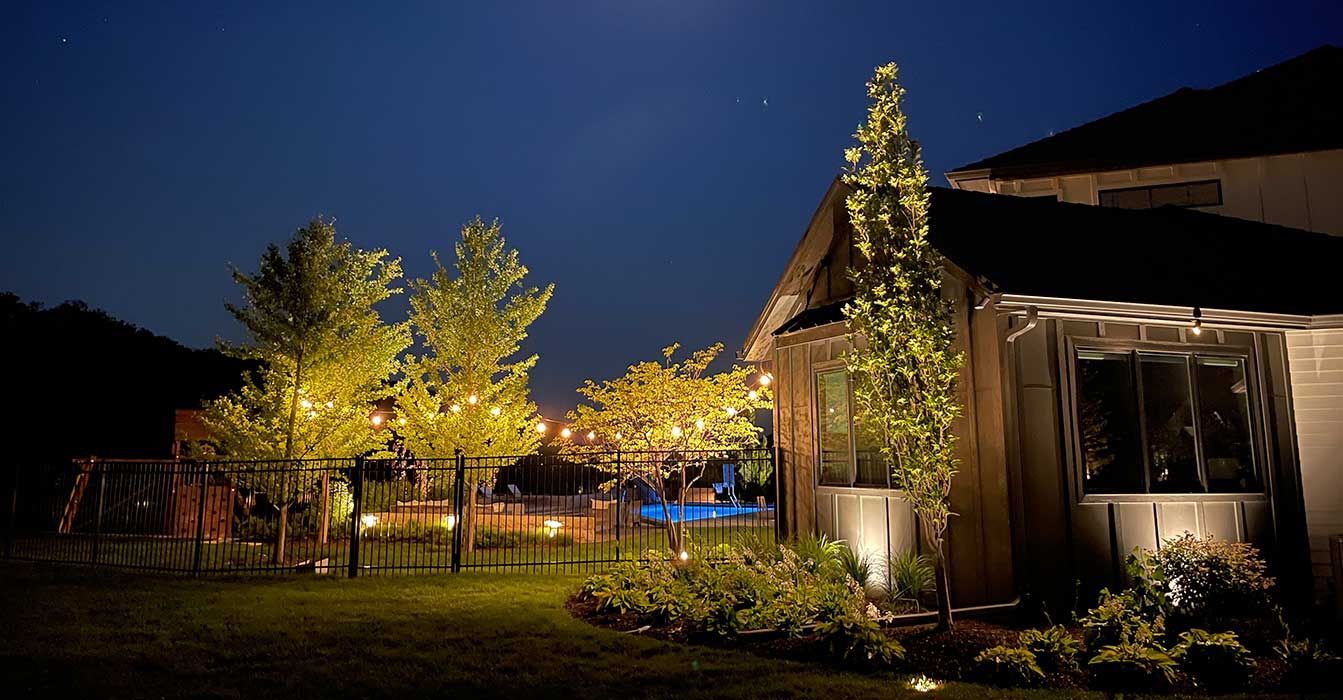
You’ve invested in the beauty and security of outdoor lighting, transforming your property into a welcoming and enchanting space after dark. But like any valuable asset, your lighting system needs care and attention to continue shining brightly for years to come. Neglecting regular lighting maintenance is like skipping oil changes on a car – it might seem okay in the short term, but it can lead to big problems and costly replacements down the road. Let’s explore why proactive lighting maintenance is essential for extending the lifespan of your outdoor lights and protecting your investment.
Why Proactive Maintenance is Your Best Defense
Think of your outdoor lighting system as a network of similar components, all working together to create the desired effect. Just as a small issue with one part of a machine can eventually cause a larger breakdown, minor neglect of your lighting can lead to premature failure of fixtures, bulbs, and even wiring. Having proper lighting maintenance is an important preventative measure that can catch small problems before they escalate into major headaches and ensure your system operates smoothly and efficiently for longer.
Key Areas to Focus Your Lighting Maintenance Efforts
There are a few crucial areas that you should pay attention to in order to maximize the lifespan of your outdoor lights and get the most out of your investment:
- Regular Cleaning: The great outdoors, while beautiful, can be tough on lighting fixtures. Dirt, dust, pollen, insect debris, and even mineral deposits from rain can accumulate on lenses and housings over time. When left unattended, this buildup not only reduces light output, making your system less effective, but it can also trap heat, potentially damaging the fixture materials and shortening bulb life. Gently wiping down fixtures with a soft, damp cloth on a routine basis can make a significant difference. For tougher grime, a mild soap solution may be necessary, but always ensure the power is off and the fixture is completely dry before turning it back on. Always be mindful of the material of your fixtures since harsh chemicals can cause damage to certain materials.
- Checking and Tightening Connections: Outdoor conditions can cause vibrations, ground movement, and general wear and tear, which can lead to loose electrical connections. Loose screws on mounting hardware can also cause fixtures to become unstable and potentially damaged. Regularly inspect all visible connections, including where the fixture is mounted and any easy-access wire connectors. Gently tighten any loose screws or connections you happen to find. If you notice any signs of corrosion on connections, it’s best to consult a professional, as this can indicate a more serious issue that requires a different solution.
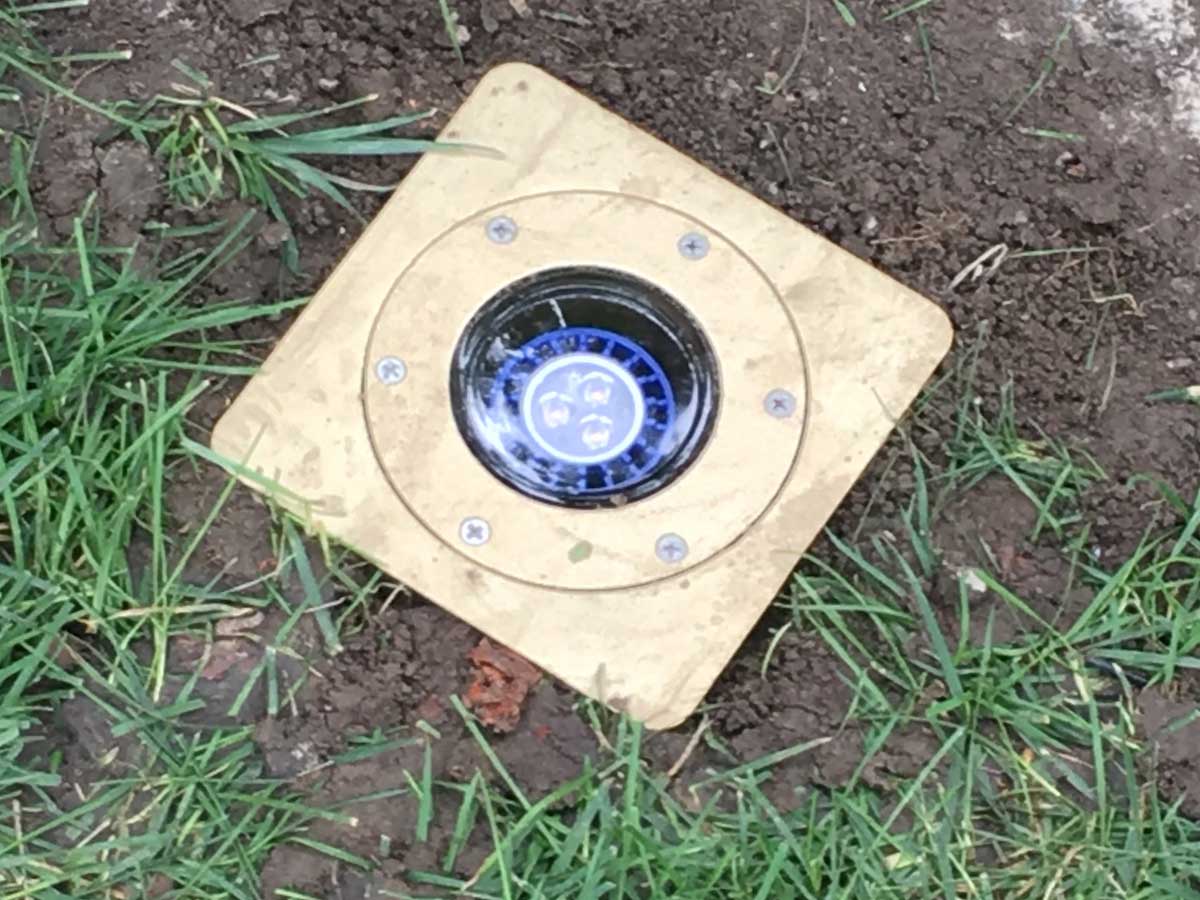
- Inspecting for Corrosion and Damage: Exposure to the elements (mainly rain, snow, and sun) can lead to metal components corroding and fixtures suffering physical damage. To avoid this, examine your lights for any signs of rust, discoloration, cracks, or broken parts. Keep in mind that catching some minor corrosion early might involve cleaning with a wire brush and applying a protective coating. However, significant corrosion or damage may require professional repair or replacement to prevent further issues from springing up.
- Vegetation Management: The plants that make up your landscape during the day might become a nuisance to your lighting at night. Overgrown bushes, tree branches, and climbing vines can obstruct light output, create unwanted shadows, and even physically damage fixtures by growing into them or putting stress on mounting hardware. To prevent any potential damage and ensure optimal performance, it’s necessary to trim back any vegetation that is creeping up on your outdoor lights.
Bulb Care and Thoughtful Replacement
The heart of your light fixture is the bulb. Proper care and timely replacement are essential for maintaining optimal illumination and extending the life of your system. Here are some tips for you to be thoughtful with your bulb care:
- Always use the correct type and wattage of bulb recommended for your specific fixture. Using the wrong bulb can lead to overheating, reduced lifespan of the bulb and fixture, and even safety hazards.
- When replacing bulbs, handle them carefully to avoid damage. Ensure the power is turned off before you begin. If your fixtures use traditional bulbs, avoid touching the glass directly with your bare hands, as oils from your skin can shorten their lifespan.
- Consider the long-term benefits of LED bulbs. While they may have a slightly higher initial cost, LEDs boast a significantly longer lifespan and consume much less energy than traditional incandescent or halogen bulbs, ultimately saving you money on energy and replacements.
The Importance of Transformer and Wiring Checks
The transformer and wiring are the backbone of your outdoor lighting system. Ensuring these components are in good condition is crucial for reliable operation and longevity. To start, the transformer should be well-located with protection from the elements and adequate ventilation. Next, the wiring should be securely run and free from damage. While some basic visual checks can be done by homeowners, a thorough inspection of the transformer and wiring is often best left to a qualified professional who has the proper experience and tools to safely perform an inspection and identify any potential issues.
Seasonal Maintenance Considerations
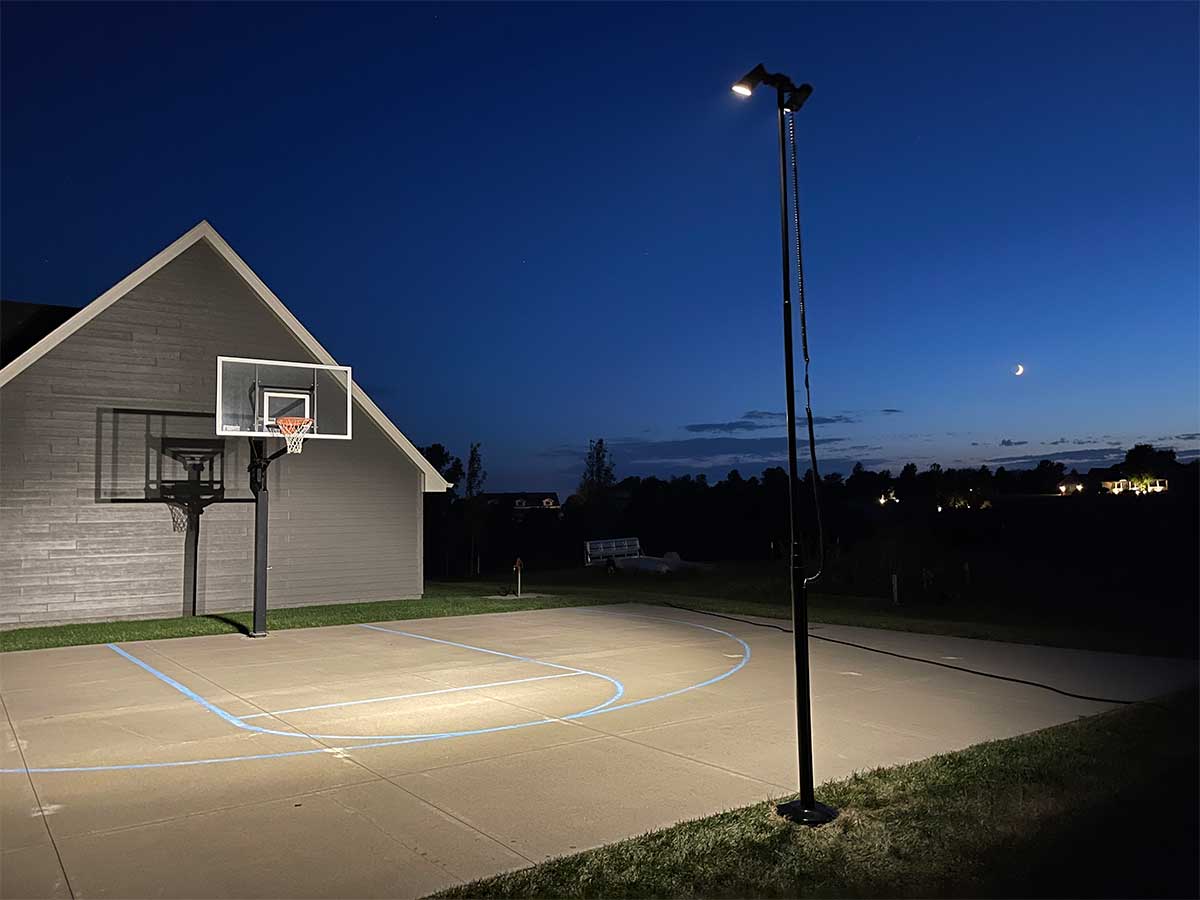
Different seasons can present unique challenges for your outdoor lighting. Before winter, it’s best to ensure that fixtures are securely mounted to withstand potential snow and ice buildup. After storms, inspect for any damage caused by wind or falling debris. When the spring and summer seasons come around, keep in mind that they may require more frequent cleaning due to greater pollen and insect activity. Remember, a little seasonal attention can go a long way in preserving your lighting system.
When Professional Help is Essential
While some basic lighting maintenance tasks can be handled by homeowners, certain issues may require the expertise of a qualified professional to be dealt with swiftly and effectively. These include:
- Significant corrosion or electrical damage.
- Troubleshooting recurring problems or system malfunctions.
- Inspecting and repairing transformer and wiring issues.
- Any work that involves direct contact with electrical components if you are not comfortable with that type of work.
Shine for Many Years with Proper Care
Investing in outdoor lighting is investing in the beauty, safety, and enjoyment of your property. By putting in a bit of work and adopting a proactive approach to lighting maintenance, you can guarantee increasing the value of your investment by extending the lifespan of your fixtures.
By understanding the key areas of care, your property will remain well-lit and inviting for years to come. Don’t let the elements dim prematurely and keep you from getting more value out of them. Remember, mixing daily chores with professional maintenance is the best thing you can do to avoid more complicated issues down the line and keep your lights shining at their best. If you want to learn more, check out some professional outdoor lighting services that can help you further protect and add to your investment.