
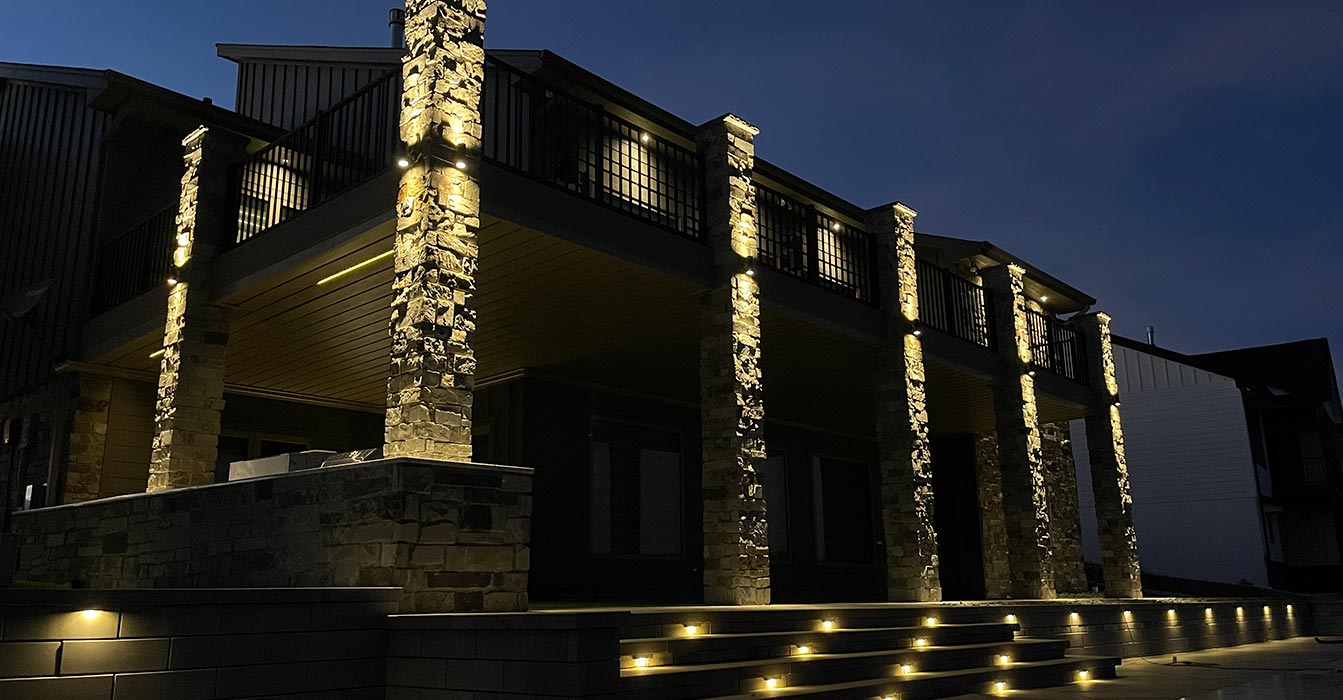
Let’s be honest, when we think about lights, it’s usually about flipping a switch and getting rid of the dark. But dig a little deeper, and you’ll find that truly great lighting design is so much more than just changing a bulb. It’s this amazing blend of having an artistic eye and knowing the technical aspects inside and out. If you’re looking to build a strong foundation and understand everything you need to know about the basics, our guide Lighting Design 101 is a great place to start.
It’s not just about where you put the fixtures, it’s about how light dances in a space, how it makes us feel, and how it shapes the way we see the world around us. Follow me on this journey and let’s explore this fascinating connection between the creative and the practical in lighting design.
The “Art” of Lighting Design: Creating Mood and Beauty with Light
The art of lighting design lies in its ability to shape the way we see things and define the surrounding atmosphere. Just as a painter uses color and shadow for his art, a lighting designer uses light to:
- Define the Atmosphere: Pay close attention and you’ll notice that different kinds of light can affect the way you feel. Soft, warm light in a living room just wraps you in coziness, while bright, focused light in an office gets your brain buzzing. And outside? Well-placed garden lights can turn your backyard into a peaceful retreat, while dramatic lighting can make a building’s architecture really pop. It’s all about playing with intensity, color, and distribution of light to define the feeling of a space.
- Highlight Beauty and Form: Strategic little pools of light can really draw your eye to the best parts of a space. Maybe it’s the cool texture of a wall, the curve of a sculpture, or the way light catches a beautiful plant. By carefully aiming and controlling light, you can highlight and show off the forms and textures that really matter to you.
- Guide the Eye and Define Space: Good lighting will gently guide you through a space, almost without you realizing it. Think about subtle path lights outdoors or how brighter areas naturally draw your attention. It’s a way of creating visual zones and making a space feel intuitive and natural.
- Enhance Color and Texture: Light isn’t neutral, it’s actually constantly interacting with surfaces and changing how we see their color and texture. With the right light, you can bring out the rich tones in wood, highlight the subtle weaves in fabric, and just make everything look more alive and interesting.

The “Science” of Lighting Design: Understanding the Technical Foundation
Behind any artistic flair is a solid understanding of the scientific principles involved in that art, lighting design is no different. When we talk about the science of lighting design, we’re also talking about understanding and applying technical knowledge related to topics such as:
- Measuring Light: You may recall having heard about lumens and foot-candles at some point. These are simply ways to quantify light and measure how much light a source gives off (lumens) and how much actually lands on a surface (foot-candles). Knowing these numbers helps designers make sure there’s always enough light for whatever task you need to do in a space.
- Color Temperature and CRI: Believe it or not, light has a color. Its color, measured in Kelvin (K), makes a huge difference in how a space feels. Warmer light (lower Kelvin) creates a cozy feel, while cooler light (higher Kelvin) feels brighter and more energetic. There’s also something called the Color Rendering Index (CRI) which tells you how accurately a light source shows the true colors of things.
- Aiming Light, Beam Angles and Distribution: Where a light goes is just as important as how bright it is. Understanding beam angles (how wide the light spreads) and how that light is distributed is crucial in helping designers light up exactly what they want without wasting unnecessary light or creating annoying glares.
- Efficiency and Sustainability: Nowadays, good lighting design is also about being kind to the planet and your bank account. That means choosing energy-efficient options like LEDs, using smart controls, and being mindful of not over-lighting outdoor spaces.
- Safety and Compliance: This is definitely a topic with a lot of importance, especially for professionals. Before even touching a bulb, lighting designers need to know all the electrical codes and safety standards to make sure everything is installed properly, wired correctly, compliant with local regulations, and won’t cause any problems.

When Art and Science Click: The Sweet Spot of Great Lighting
The most successful lighting designs happen when the artistic vision and the technical know-how come together. The science makes the art possible, allowing designers to achieve those beautiful light effects safely and effectively. And the artistic goals drive how the technical stuff is used, making sure the lighting isn’t just functional but also an improvement to how we experience a space. For example, knowing about beam angles lets a designer highlight a piece of art without casting harsh shadows, and understanding color temperature helps create that perfect cozy vibe in your living room. For a more up-close view, watch this video and see how a lighting professional handles mixing art with science.
The Guiding Hand: The Role of the Lighting Designer
Think of a lighting designer as someone who speaks both the language of art and the language of science. They listen to what you want and how you want your space to feel, and then they use their technical skills to make that vision a reality. They’re the ones who make sure the lighting not only looks great but also works perfectly for what you need. Whether it’s making a home feel welcoming or lighting up a building so it’s both beautiful and safe at night, they’re the orchestrators of light and shadow. To learn more about how this expertise can be applied to your project, explore our lighting design services.
The Future is Bright: A Blend of Creativity and Knowledge
Ultimately, amazing lighting design is all about the power of combining creative thinking with a deep understanding of how light works. It’s about looking beyond the simple light bulb and considering how light can shape our experiences, make our surroundings more beautiful, and create spaces that are as stunning as they are practical. As technology keeps moving forward, you can bet that the art and science of lighting design will keep finding new and exciting ways to illuminate our world.
FAQS
What’s the difference between simply adding lights and professional lighting design?
Simply adding lights is often just about getting rid of the dark. Professional lighting design, however, is a deliberate process that combines artistic principles with technical knowledge. It focuses on how light impacts mood, highlights features, guides the eye, and improves the overall experience of a space, going far beyond basic illumination to create atmosphere and visual appeal.
Why is understanding terms like ‘lumens’ and ‘Kelvin’ important for a client?
While your lighting designer handles the technical details, having a basic grasp of terms like lumens and Kelvin can help you communicate your vision more effectively. Knowing that lower Kelvin numbers mean warmer light, for instance, allows you to express your desire for a cozy atmosphere, ensuring you and your designer are on the same page.
Can good lighting design really save me money on my energy bills?
Absolutely! A key part of modern lighting design is efficiency. Professional designers often recommend and utilize energy-saving technologies, like LEDs, that consume significantly less power than traditional bulbs. They also consider smart controls, like dimmers and timers, which can further reduce energy consumption and lower your electricity bills over time.
How does lighting design influence the mood or feeling of a room?
Light is a powerful tool for setting a mood. Warm, dim light can create a sense of relaxation and intimacy, perfect for living areas or bedrooms. Brighter, cooler light is often used in workspaces or kitchens to promote alertness and visibility. A designer carefully selects the color temperature, intensity, and placement of lights to bring out the desired emotional response in any given space.
When should I involve a lighting designer in my project?
It’s best to involve a lighting designer early in the planning stages of a new build or renovation project to get the most effective and integrated results. Early involvement allows them to work alongside architects and interior designers to integrate the lighting plan perfectly into the overall design, avoiding potential issues and ensuring the electrical infrastructure is appropriate for the desired lighting scheme.